
Powder coating creates one of the strongest, most durable protective finishes for metal. Many people know it looks good, but fewer understand what powder coat actually does for the surface.
Powder coat protects metal from rust, scratches, chemicals, UV damage, and weathering by forming a hard, heat-cured polymer layer that lasts many years.
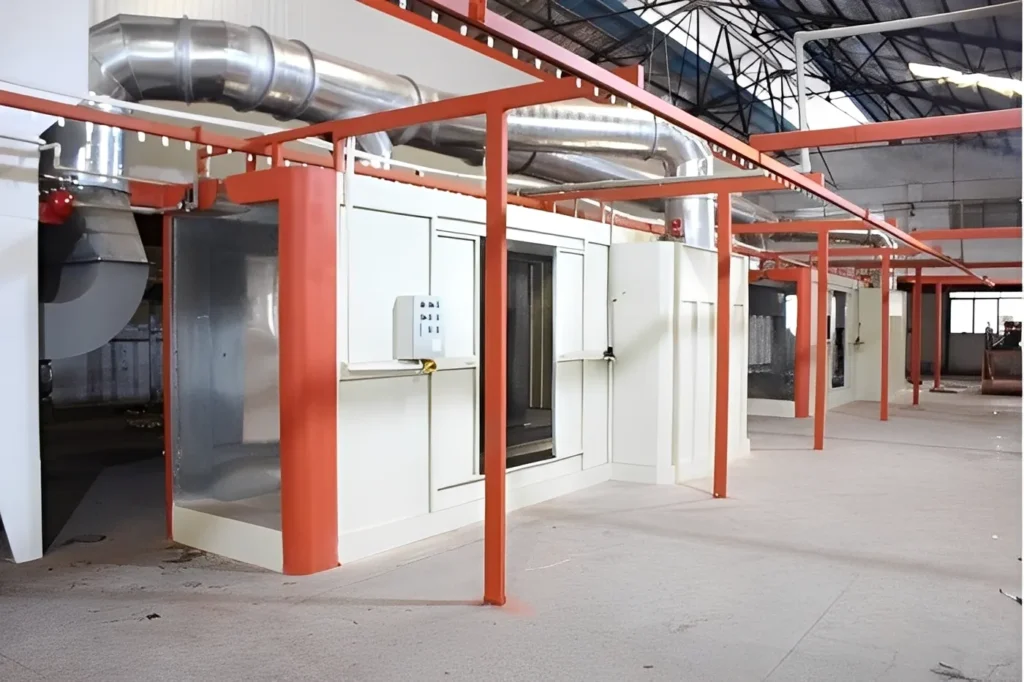
In my daily work with factories and engineering teams, powder coating has proven to be the most reliable finishing solution when a product needs longevity, color stability, and resistance to harsh conditions.
What does powder coat do for metal?
Powder coat forms a thick, seamless, solid film that shields metal from environmental damage.
It protects metal from corrosion, impact, abrasion, chemicals, and sunlight while giving it a smooth, attractive finish.
Dive Deeper: Why powder coat is such a strong protective finish (200+ words)
Powder coatings are thermoset polymers. When they go into an oven at 160–200°C, the powder melts, flows, and chemically crosslinks. This creates a dense, continuous layer that bonds tightly to the substrate. Because of this crosslinked structure, powder coatings:
- Resist corrosion from moisture and oxygen
- Block chemicals, oils, and solvents
- Absorb impact without cracking
- Prevent scratches thanks to high hardness
- Maintain color under UV exposure
- Protect edges and corners better than wet paint
The thickness of powder coating — typically 2–4 times thicker than liquid paint — also makes a huge difference. A thicker film means fewer weak spots, fewer pinholes, and stronger barrier protection.
Powder coat does far more than decorate metal. It transforms the surface into a long-lasting shield that resists real-world wear, whether on machinery, furniture, outdoor structures, or automotive components.
| Protection Type | How Powder Coat Helps |
|---|---|
| Corrosion | Seals metal from air/moisture |
| Impact | Flexible hard film absorbs shocks |
| Scratches | High hardness resists abrasion |
| Chemicals | Resists oils, cleaners, solvents |
| UV | Prevents fading and chalking |
What does powder coat do for appearance?
Powder coat is not only protective — it also delivers beautiful, consistent surface quality.
It creates smooth, uniform, vibrant finishes with many textures, gloss levels, and colors.
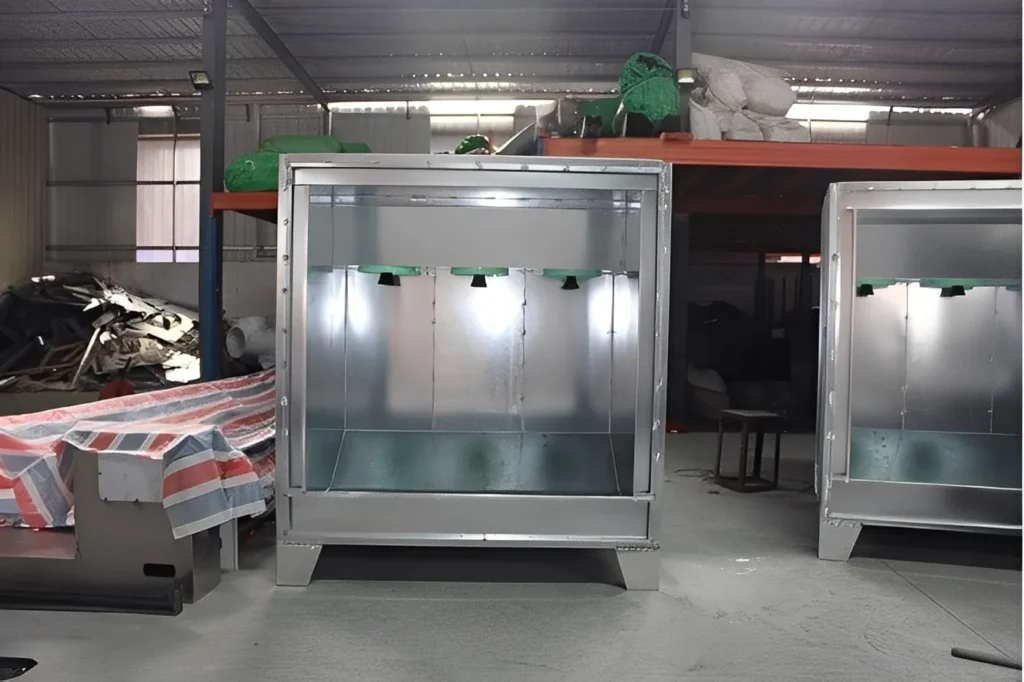
Dive Deeper: Why powder coat looks better than wet paint (200+ words)
Powder coat flows out into a smooth, even layer during curing. Because it contains no solvent, it avoids common liquid paint defects such as:
- Runs
- Sags
- Drips
- Orange peel (when sprayed correctly)
- Uneven color
Powder coat also holds color extremely well. UV-resistant polyester powders can maintain gloss and brightness for over a decade outdoors.
Powder coatings allow finishes that wet paint struggles with:
- Fine texture
- Matte or ultra-matte
- Wrinkle and hammer finishes
- Metallic and candy colors
- Thick protective layers
For manufacturers, this finish consistency is crucial. Whether coating 10 or 10,000 parts, powder coat delivers nearly identical surface quality.
This is why powder coating is used on:
- Wheels
- Metal furniture
- Architectural aluminum
- Appliances
- Gym equipment
- Tools and machinery
It elevates both the performance and aesthetics of the product.
What does powder coat do for durability?
Durability is one of powder coating’s greatest strengths.
Powder coat increases lifespan dramatically, often lasting 10–20 years outdoors and more than 20 years indoors.
Dive Deeper: How powder coating extends product life (200+ words)
Durability comes from the chemical structure of powder coating. Once crosslinked, it becomes a thermoset polymer, similar to epoxy or industrial plastic. This material is extremely stable:
- It does not melt
- It does not soften in the sun
- It resists humidity and rain
- It stops corrosion from spreading
- It withstands repeated impact
In outdoor environments, powder coat acts as a barrier against:
- Water
- Salt
- UV
- Temperature cycles
The coating prevents rust from forming and spreading. Even if the coating gets scratched, corrosion penetration is much slower than on painted or untreated metal.
In industrial environments, powder-coat finishes withstand:
- Chemicals
- Oils
- Cleaning agents
- Abrasion from daily use
This makes powder coating ideal for heavy-duty products like machinery frames, storage racks, tools, and transport equipment.
In summary, powder coating drastically extends the life of metal products, reducing maintenance, repainting, and replacement costs.
What does powder coat do for environmental safety?
Powder coating is considered one of the cleanest finishing processes.
It eliminates harmful solvents (VOCs), reduces waste, and allows overspray to be recycled.
Dive Deeper: Environmental advantages of powder coating (200+ words)
Traditional liquid paints contain solvents that evaporate into the air. These VOCs contribute to air pollution and require strict environmental control.
Powder coat contains zero solvents.
This means:
- No VOC emissions
- No hazardous waste
- No solvent fumes
- No flammable chemical storage
Powder overspray is also reclaimable. In many systems, unused powder can be collected and sprayed again, reducing waste significantly.
Factories benefit because:
- Air quality improves
- Workers are safer
- Environmental compliance costs decrease
- Production is more efficient
For industries focused on sustainability — including architecture, medical equipment, and consumer products — powder coating is often the preferred finishing process.
What does powder coat do that liquid paint cannot?
Powder coating offers several advantages that liquid paint struggles to match:
- Much higher durability
- Thicker, more consistent coverage
- Better edge protection
- Longer outdoor lifespan
- Faster curing
- No runs or drips
- Environmentally safe
- More finish options
- Lower long-term cost
Powder coat is not always a replacement for wet paint (especially for heat-sensitive materials), but when used on metal, it is usually the superior choice.
Conclusion
Powder coat protects metal from corrosion, impact, chemicals, and UV damage. It improves appearance, increases durability, and offers environmentally friendly finishing. Whether used indoors or outdoors, powder coating creates one of the strongest and longest-lasting surface finishes available today.
 English
  Malay
Malay  Indonesian
  Russian
  Spanish
  Vietnamese
  Bosnian
  French
  Japanese