
Powder coated steel is known for its strength, durability, and long-lasting finish. Many people assume that once steel is powder coated, it will never rust. But is this really true?
Powder coated steel can still rust if the coating is damaged, improperly applied, or compromised by corrosion underneath. However, when applied correctly, powder coating significantly slows down rust and provides strong long-term protection.
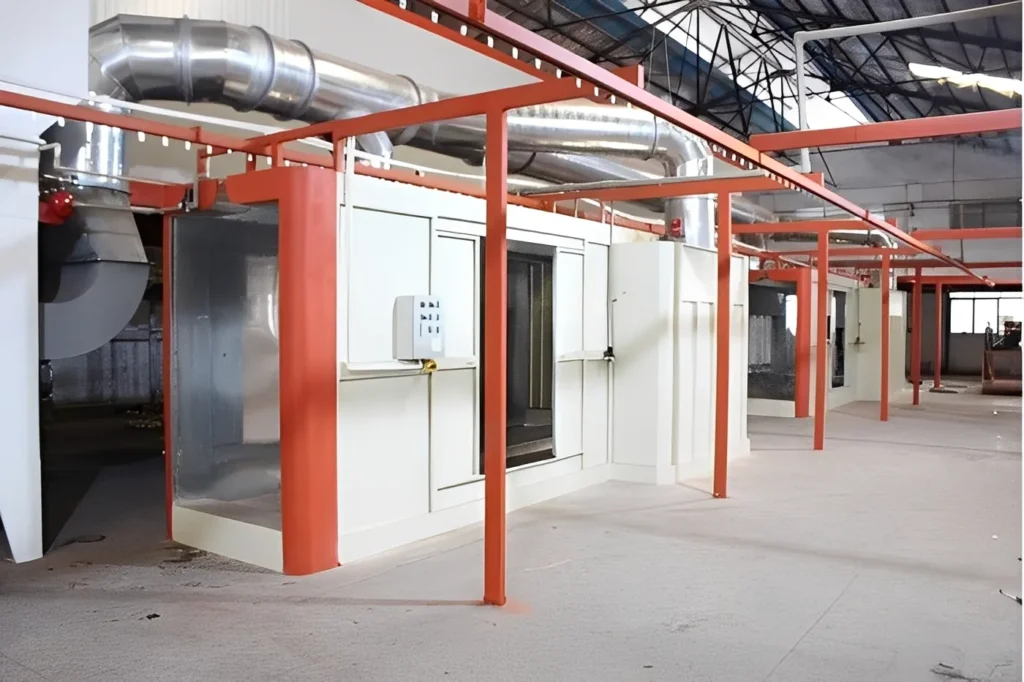
In many factories I work with, powder coating is used as the primary protection method for steel frames, outdoor structures, machinery, and household products. Powder coating does not make steel “rust-proof,” but it does make it far more resistant to corrosion.
Can powder coated steel rust?
Yes — but only under certain conditions.
Powder coated steel will rust if the coating cracks, chips, is applied too thin, or if rust forms underneath before coating.
Dive Deeper: Why powder coated steel can still rust (200+ words)
Powder coating is a barrier coating. It seals steel from moisture, oxygen, and contaminants. When intact, the barrier works extremely well, often lasting 10–20 years outdoors.
However, powder coating cannot stop rust when:
1. The coating is damaged
If the coating is scratched or chipped:
- moisture enters
- rust forms under the coating
- rust spreads underneath like a “creep” pattern
This under-film corrosion is common near edges and weld joints.
2. The steel was already rusty before coating
If rust is not removed before powder coating, the coating traps corrosion inside.
Over time, the rust expands and cracks the coating.
3. The coating is too thin
Thin areas lose barrier protection, especially on:
- sharp edges
- corners
- welds
- cutouts
Rust often starts in these weak points.
4. Outgassing or poor pretreatment
If steel has oils, contaminants, scale, or trapped gases:
- pinholes form
- bubbles appear
- moisture enters
- rust forms underneath
5. Environmental exposure is extreme
Saltwater, industrial chemicals, and acid rain will eventually penetrate any coating.
Even with these issues, powder coating slows rust dramatically compared to bare paint or untreated steel.
| Cause of Rust | Common Area | Reason |
|---|---|---|
| Chips & scratches | Edges, corners | Steel exposed |
| Poor prep | Welds, seams | Contamination trapped |
| Thin coating | Sharp edges | Weak coverage |
| Moisture under film | Outdoor parts | Water migration |
| Salt exposure | Coastal regions | High corrosion rate |
How does powder coating protect steel from rust?
Powder coating creates a thick, tough protective shell around the steel.
It acts as a barrier that blocks water, oxygen, salt, and chemicals from reaching the metal.
Dive Deeper: The protective mechanism of powder coating (200+ words)
Powder coating cures into a crosslinked polymer film.
This structure:
- is harder than paint
- is more flexible
- is much thicker
- has no pores when applied correctly
These characteristics make powder coat excellent at resisting corrosion.
Powder coatings typically measure 60–120 microns, compared to 20–40 microns for most paints.
The thicker the layer, the better the barrier.
Powder coating protects steel by:
- sealing the surface completely
- resisting scratches
- resisting UV degradation
- resisting chemicals
- resisting moisture penetration
For outdoor use, polyester powder is the preferred choice because it handles UV light and weather much better than epoxy.
Powder coated steel can last:
- 10–15 years outdoors
- 20+ years indoors
When paired with a zinc primer or galvanization, lifespan increases dramatically.
Why do some powder coated steel products rust faster than others?
Not all powder coating systems are equal.
Rust appears faster when the pretreatment or coating system is low quality.
Dive Deeper: Factors that affect rust resistance (200+ words)
Here are the key reasons some powder coated parts rust too soon:
1. Poor pretreatment
Pretreatment is the most important step.
If steel is not properly:
- degreased
- cleaned
- phosphate-treated
- rinsed
- dried
rust risk increases dramatically.
2. No primer layer
A single-coat powder finish is cheaper but less protective.
Better systems use:
- epoxy primer + polyester topcoat
- zinc-rich primer + topcoat
Primers dramatically improve corrosion resistance.
3. Cheap powder or wrong powder type
Low-quality powders:
- fade
- chalk
- lose adhesion
Using epoxy outdoors, for example, leads to fast UV damage.
4. Sharp edges not rounded
Powder coating cannot wrap sharp edges well.
Rust often starts on:
- laser-cut edges
- punched holes
- corners
Edges should be ground smooth before coating.
5. Salt or chemicals
Harsh environments accelerate corrosion:
- coastal air
- winter road salt
- industrial fumes
These conditions require special anti-corrosion powder systems.
Powder coat itself is strong — but the quality of the overall system determines whether steel stays rust-free.
How to prevent powder coated steel from rusting?
There are several ways to maximize corrosion resistance.
Use good pretreatment, high-quality powder, proper thickness, and optional primers.
Recommended methods:
- Remove all rust before coating
- Use iron phosphate, zinc phosphate, or nanoceramic pretreatment
- Apply epoxy primer under the topcoat
- Use outdoor-grade polyester powders
- Ensure correct curing temperature
- Avoid thin coating on edges
- Repair chips quickly
- Use galvanized steel + powder coating (duplex system) for harsh environments
Dive Deeper: Why primer + powder is the strongest system (200+ words)
Epoxy primer + polyester topcoat is the gold standard:
- Epoxy primer provides outstanding adhesion and chemical resistance
- Polyester topcoat resists UV, rain, and weather
This combination can extend the life of steel parts to 20–30 years outdoors.
For extreme environments, the duplex system (galvanized steel + powder coating) is even stronger:
- Zinc layer protects steel
- Powder layer protects zinc
- Both layers prevent moisture intrusion
This system is common in:
- lighting poles
- outdoor railings
- bridges
- marine-grade equipment
By choosing the right coating system and caring for the surface, you can greatly delay or prevent rust.
Conclusion
Powder coated steel can rust, especially if the coating is damaged or poorly applied.
But with proper preparation, good powder quality, and strong barrier protection, powder coating dramatically slows corrosion and can protect steel for many years, even in harsh environments.
 English
  Malay
Malay  Indonesian
  Russian
  Spanish
  Vietnamese
  Bosnian
  French
  Japanese