
Powder coating is extremely durable, which is good when you want long-term protection — but challenging when you need to strip it off. Many shops, restorers, and manufacturers often ask the same question: what is the best way to remove powder coating?
You can remove powder coating using chemical strippers, media blasting, or heat removal. Each method has advantages depending on the metal type, coating thickness, and project size.
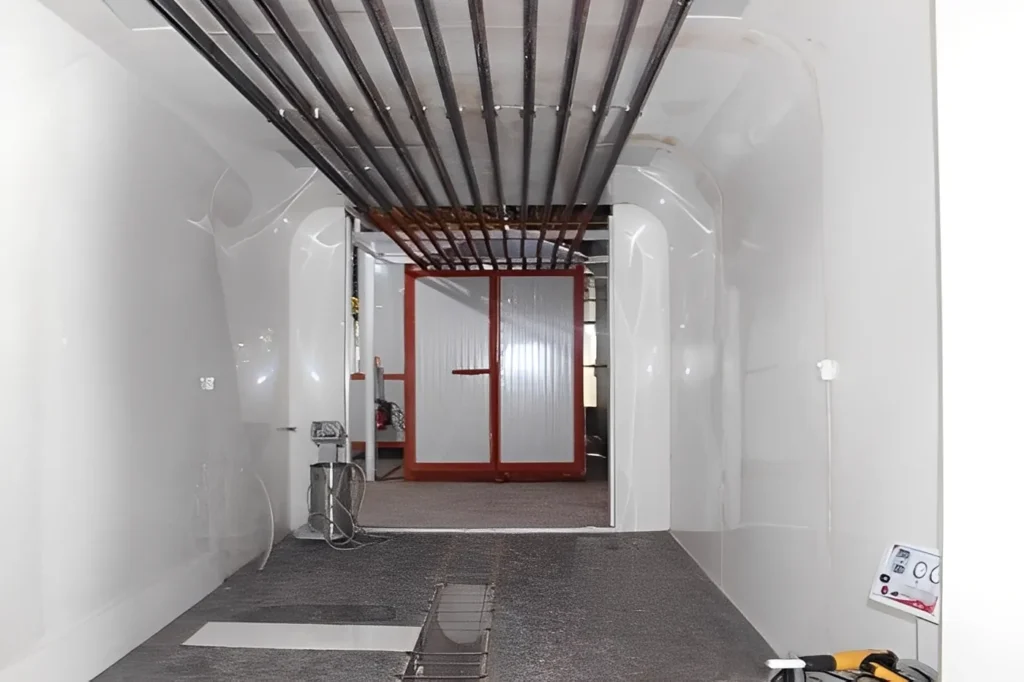
In my work with factories and repair shops, powder coat removal is one of the most common maintenance tasks. The right stripping method saves time, avoids metal damage, and prepares the part for a fresh new finish.
What is the best way to remove powder coating?
There is no single “best” method. The ideal choice depends on your equipment and the part you are working on.
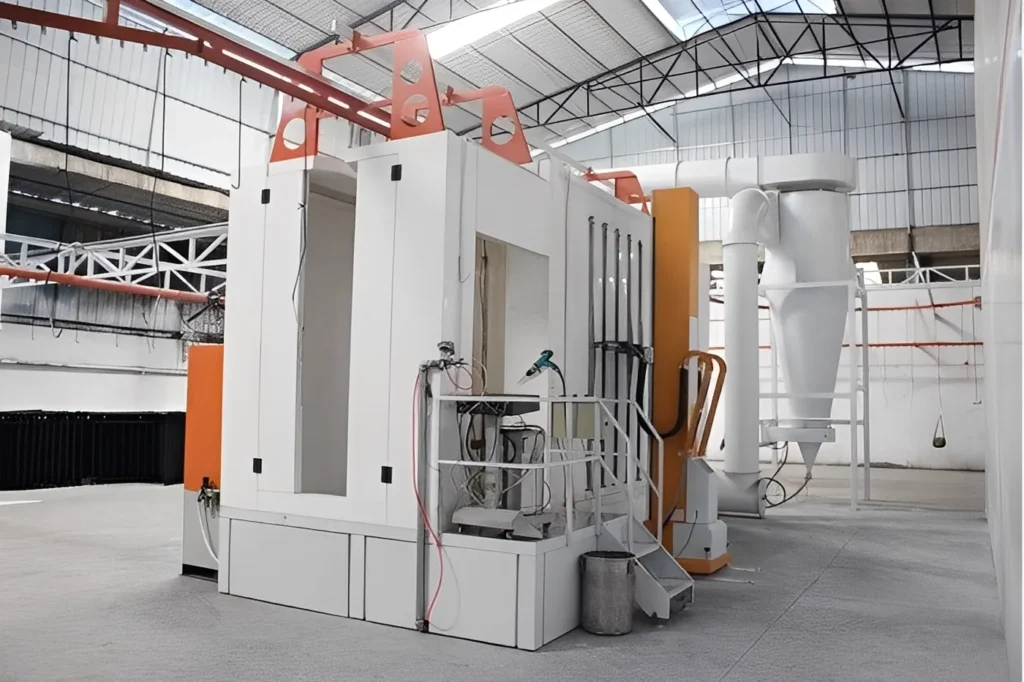
The three main removal methods are: chemical stripping, blasting, and heat stripping.
Dive Deeper: How each powder coating removal method works (200+ words)
Powder coating bonds tightly to metal through electrostatic attraction and heat curing. This creates a strong, crosslinked polymer film. Removing it requires breaking that chemical bond.
Here’s what each method does:
1. Chemical stripping
Chemical strippers dissolve the powder coat, allowing it to bubble, soften, and fall off.
Advantages:
- No damage to the metal
- Good for complex shapes
- Works without specialized equipment
Disadvantages:
- Chemical fumes
- Some strippers require long soaking
- Not all are safe for aluminum
Best for: automotive parts, wheels, small components.
2. Media blasting
Uses high-pressure blasting media like:
- aluminum oxide
- garnet
- glass bead
- plastic media
Advantages:
- Fast
- Effective on thick coatings
- Leaves a surface ready for recoating
Disadvantages:
- Can warp thin metal
- Requires blasting cabinet or room
- Dust and cleanup required
Best for: steel frames, machinery parts, thick coatings.
3. Heat stripping
Heat the part until the powder coat turns brittle and flakes away.
Methods:
- propane torch
- burn-off oven
- heat gun
Advantages:
- Fast for small areas
- Great for thick or stubborn coatings
Disadvantages:
- Can discolor metal
- Not suitable for aluminum (softens at ~660°C)
- Requires safety precautions
Best for: steel-only parts, industrial components.
| Method | Speed | Safety | Metal Type | Best For |
|---|---|---|---|---|
| Chemical | Medium | Medium | Steel/Aluminum | Wheels, small parts |
| Media blasting | Fast | High | Steel/Aluminum | Frames, machinery |
| Heat | Fast | Low/Medium | Steel only | Thick coatings |
How to remove powder coating using chemical stripper?
Chemical stripping is the most beginner-friendly method.
Apply the stripper → wait for bubbles → scrape off → rinse → repeat if needed.
Dive Deeper: Correct chemical stripping procedure (200+ words)
Follow these steps:
1. Choose a high-strength powder coat remover
Look for:
- methylene chloride–based strippers
- aircraft-grade strippers
- heavy-duty industrial gel strippers
Avoid paint-only removers — they are too weak.
2. Apply generously
Use a brush to apply a thick layer so the stripper penetrates the coating.
3. Wait for reaction
The surface will start to:
- bubble
- blister
- peel
This means the powder coat is softening.
4. Scrape with a plastic or metal scraper
Remove softened coating without scratching the metal.
5. Rinse thoroughly
Use water or solvent to neutralize the chemicals.
6. Repeat if needed
Thick or heavy-duty coatings may require 2–3 cycles.
Safety Tips:
- Wear gloves, goggles, and long sleeves
- Work outdoors or in a ventilated area
- Avoid skin contact
Chemical stripping is ideal for aluminum parts, where blasting might cause damage.
How to remove powder coating using media blasting?
Blasting is the fastest method for large or steel parts.
Blast the surface with abrasive media until the powder coating is fully removed.
Dive Deeper: Best blasting techniques for powder removal (200+ words)
Popular media choices:
- Aluminum oxide — best for tough coatings
- Garnet — sharp and fast
- Glass bead — gentle, good for aluminum
- Plastic media — delicate parts
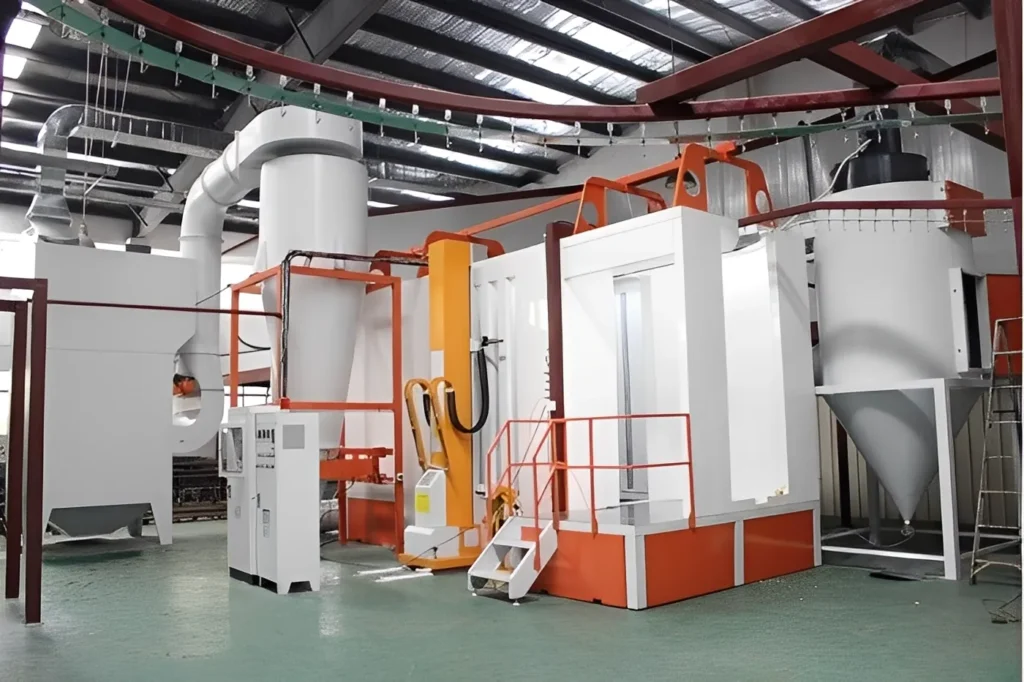
Blasting requires a controlled environment:
- blasting cabinet
- dust collection
- air compressor
Steps:
- Select appropriate media
- Adjust pressure (40–80 PSI for aluminum, 80–120 PSI for steel)
- Keep the nozzle moving to avoid heat buildup
- Blast evenly across the surface
- Inspect and re-blast stubborn areas
Advantages:
- Removes coatings completely
- Prepares metal for repainting
- No chemicals
Blasting is preferred for:
- motorcycle frames
- industrial parts
- steel structures
- high-thickness coatings
Use caution with thin aluminum or sheet metal, which can warp.
How to remove powder coating using heat?
Heat removal uses high temperatures to break down the powder coat.
Apply heat → wait for coating to char → brush or scrape off.
Dive Deeper: When heat is a good removal method (200+ words)
Three main heat options:
1. Propane torch
Point the flame at the coating until it browns and flakes.
Best for small steel parts.
2. Burn-off oven
Industrial ovens heat parts to 350–450°C, turning coating into ash.
Used by factories.
3. Heat gun
Gentle option for home use; works on thinner coatings.
Pros:
- Quick
- Effective on thick layers
- Good for steel frames and brackets
Cons:
- Can damage aluminum
- Can discolor or weaken steel
- Produces fumes
- Requires safety gear
To avoid overheating:
- Move the heat source constantly
- Keep distance between flame and metal
- Test on a small area
Once the coating becomes brittle, you can brush it off with a wire brush.
What is the easiest method for beginners?
For most people:
Chemical stripping is easiest for small parts, blasting is easiest for large parts.
Chemical is simple.
Blasting is fast.
Heat is for stubborn steel-only projects.
Conclusion
Powder coating can be removed using chemical strippers, media blasting, or heat. Each method has its own strengths depending on the part size, metal type, and coating thickness. With the right approach, you can remove powder coating safely and prepare the surface for a new finish.
 English
  Malay
Malay  Indonesian
  Russian
  Spanish
  Vietnamese
  Bosnian
  French
  Japanese