
Aluminium is lightweight, corrosion-resistant, and widely used in construction, furniture, automotive parts, and consumer products. Many people want to know if aluminium can be powder coated the same way as steel.
Yes, aluminium can be powder coated — and it is one of the best metals for powder coating because it handles heat well, bonds strongly with powder, and delivers excellent long-term durability.
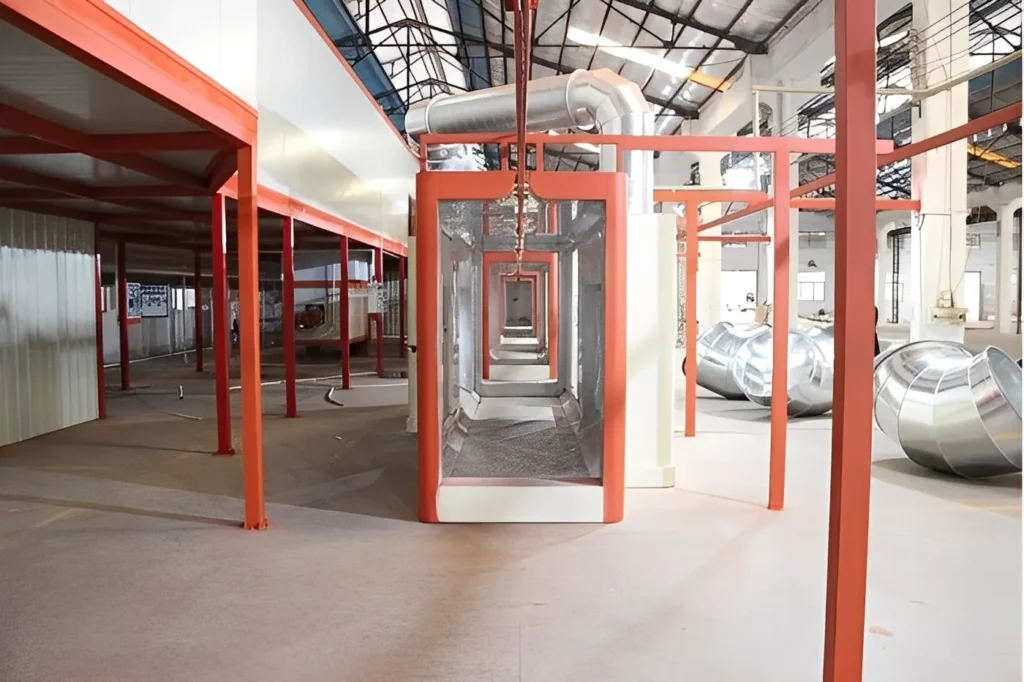
In my work with factories that coat aluminium profiles, panels, and furniture, powder coating always provides strong adhesion, stable color, and long-lasting surface protection.
Can aluminium be powder coated successfully?
Absolutely yes.
Aluminium can be powder coated as long as the surface is properly cleaned, degreased, and pretreated to remove oxides.
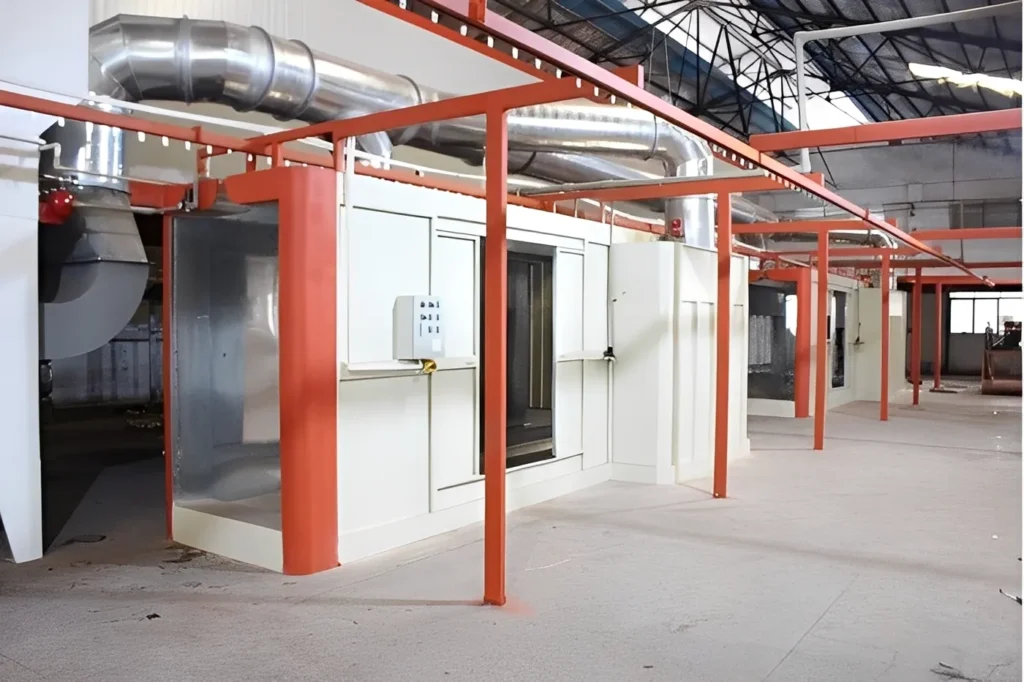
Dive Deeper: Why aluminium is ideal for powder coating (200+ words)
Aluminium naturally forms an oxide layer when exposed to air.
This oxide is stable but prevents direct bonding unless removed or converted.
Once pretreated, aluminium provides a perfect surface for powder coating because:
- it has good electrical conductivity
- it can withstand curing temperatures (160–200°C)
- it holds powder well without warping
- the surface is smooth and consistent
- it does not rust
Many industries choose aluminium specifically because powder coating enhances its performance.
Examples include:
- window and door frames
- curtain wall panels
- aluminium furniture
- bicycle parts
- car components
- lighting fixtures
- household items
Powder coating aluminium creates a durable, UV-resistant, chemical-resistant finish that lasts many years outdoors.
| Feature | Benefit for Powder Coating |
|---|---|
| Lightweight | Easy to handle in production |
| Conductive | Great for electrostatic attraction |
| Heat-resistant | Handles curing temperatures |
| Corrosion-resistant | Works well with outdoor coatings |
How do you prepare aluminium for powder coating?
The key to successful aluminium coating is pretreatment.
Standard preparation: degrease → remove oxide → rinse → conversion coating → dry.
Dive Deeper: Proper aluminium pretreatment steps (200+ words)
Here’s the correct process used in factories:
1. Degreasing
Remove oil, fingerprints, and machining residue.
Use:
- alkaline cleaner
- solvent wipe
- spray wash system
Any oil will block powder adhesion.
2. Oxide removal or etching
Aluminium oxide must be removed or controlled.
Common methods:
- acid etching
- alkaline etching
- deoxidizing solutions
This restores a clean, active surface.
3. Rinse thoroughly
Remove all chemical residues.
4. Apply conversion coating
This is the most important step.
Types:
- chromate conversion (traditional, very effective)
- non-chrome conversion (environmentally friendly)
- nanoceramic coating
Benefits:
- increases adhesion
- improves corrosion resistance
- stabilizes aluminium surface
5. Dry the aluminium completely
Moisture under powder causes pinholes and corrosion.
If preparation is done correctly, powder coating bonds extremely well and lasts for many years even in harsh outdoor environments.
What powders are best for coating aluminium?
Aluminium can accept many powder types, but some are better for outdoor durability.
Best powders for aluminium: polyester and super-durable polyester.
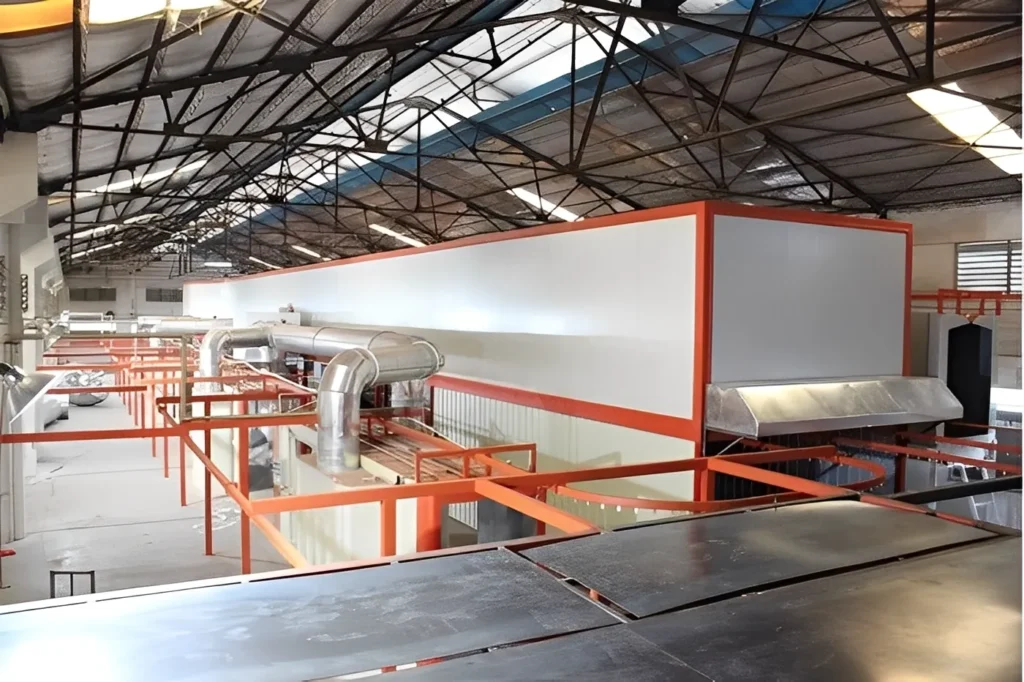
Dive Deeper: Powder types and their performance (200+ words)
Here is how different powders perform on aluminium:
1. Polyester powder
Best for outdoor use.
Resists:
- UV
- rain
- salt
- temperature changes
Used for:
- window frames
- outdoor furniture
- architectural cladding
2. Super-durable polyester
Upgraded outdoor powder.
Advantages:
- lasts 10–20 years outdoors
- retains color and gloss longer
- ideal for coastal environments
3. Epoxy powder
Best for indoor use.
Benefits:
- excellent chemical resistance
- great adhesion
Weakness:
- chalks and fades quickly in sunlight
Used for:
- indoor machinery
- tools
- electronics
4. Hybrid powders (epoxy + polyester)
Balanced performance for indoor environments.
Aluminium takes all these powders very well as long as the pretreatment is correct.
Why powder coat aluminium instead of painting it?
Powder coating offers several advantages that liquid paint cannot match.
Powder-coated aluminium lasts longer, looks better, and resists weather far more effectively
Key benefits:
- thicker coating (60–120 microns vs 20–40 for paint)
- no runs, drips, or brush marks
- stronger UV resistance
- stronger adhesion
- more color stability
- more scratch resistance
- more corrosion resistance
- environmentally friendly (no VOCs)
That is why almost all architectural aluminium uses powder coating instead of paint.
Can all aluminium alloys be powder coated?
Yes — almost all aluminium alloys can accept powder coating.
But some alloys require more preparation, especially cast aluminium.
Dive Deeper: Alloy considerations (200+ words)
1. Extruded aluminium (6063, 6061)
- easiest to coat
- very smooth
- ideal for windows, frames, structural parts
2. Cast aluminium (A380, ADC12)
- more porous
- may outgas during curing
- may need pre-baking or special powder
Pre-baking cast aluminium at 200°C for 20–30 minutes helps release trapped gases.
3. Sheet aluminium
- very smooth
- requires light etching to improve adhesion
4. Anodized aluminium
- more difficult to powder coat
- requires sanding or chemical treatment
- possible but requires expertise
Regardless of alloy, aluminium can be successfully powder coated with proper preparation.
Conclusion
Yes, aluminium can be powder coated — and it performs exceptionally well. With proper cleaning, oxide removal, and conversion coating, aluminium provides excellent adhesion and outdoor durability. Powder-coated aluminium is stronger, more attractive, and far more weather-resistant than liquid paint, making it the preferred finish for industrial and architectural applications.
 English
  Malay
Malay  Indonesian
  Russian
  Spanish
  Vietnamese
  Bosnian
  French
  Japanese