
Powder coating is known for its durability, smooth finish, and excellent outdoor performance. But many engineers and manufacturers wonder whether plastic — a non-conductive and heat-sensitive material — can be powder coated.
Plastic can be powder coated, but only if it can withstand high curing temperatures or if a special low-temperature powder coating system is used. Not all plastics are suitable.
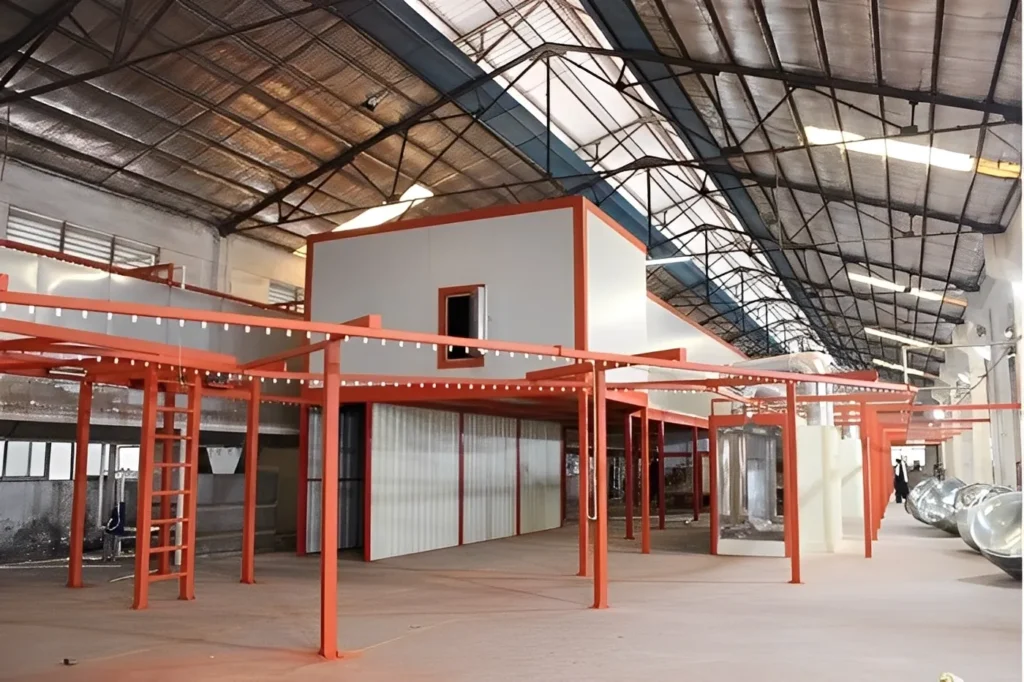
In my work with manufacturers, I often see confusion about coating plastic. Powder coating on plastic is possible, but it requires special formulations and strict temperature control.
Can plastic be powder coated?
Yes, but with limitations.
Only heat-resistant and prepared plastics can accept powder coating, because traditional powder requires 160–200°C for curing.
Dive Deeper: Why plastic is difficult to powder coat (200+ words)
Powder coating works through electrostatic attraction.
Metal conducts electricity, holds a strong electrostatic charge, and attracts the powder.
Plastic, however:
- is non-conductive
- cannot be grounded
- melts at low temperatures
- may deform before powder cures
This makes standard powder coating impossible for many plastic types.
Manufacturers overcome this using:
1. Heat-resistant plastics
Certain plastics can tolerate curing temperatures:
- nylon
- polyphenylene sulfide (PPS)
- high-temperature thermosets
- some fiber-reinforced plastics (FRP)
These materials can handle 160–200°C without melting.
2. Special low-temperature powders
Newer technologies use:
- low-bake powders (110–140°C)
- UV-curable powders (cure in seconds under UV light)
These allow powder coating on plastics such as:
- ABS
- PC (polycarbonate)
- PP (polypropylene)
- PE (polyethylene)
- fiberglass
3. Conductive primers or pre-treatments
Since plastic does not conduct electricity, conductive primers help powder stick.
Examples:
- conductive basecoat
- flame treatment
- corona treatment
- plasma treatment
These treatments create a surface that can hold an electrostatic charge.
Powder coating plastic is possible — but only with correct materials and processes.
What plastics can be powder coated?
Only certain plastics can tolerate the heat and process requirements.
Powder-coatable plastics include both thermoplastics and thermosets.
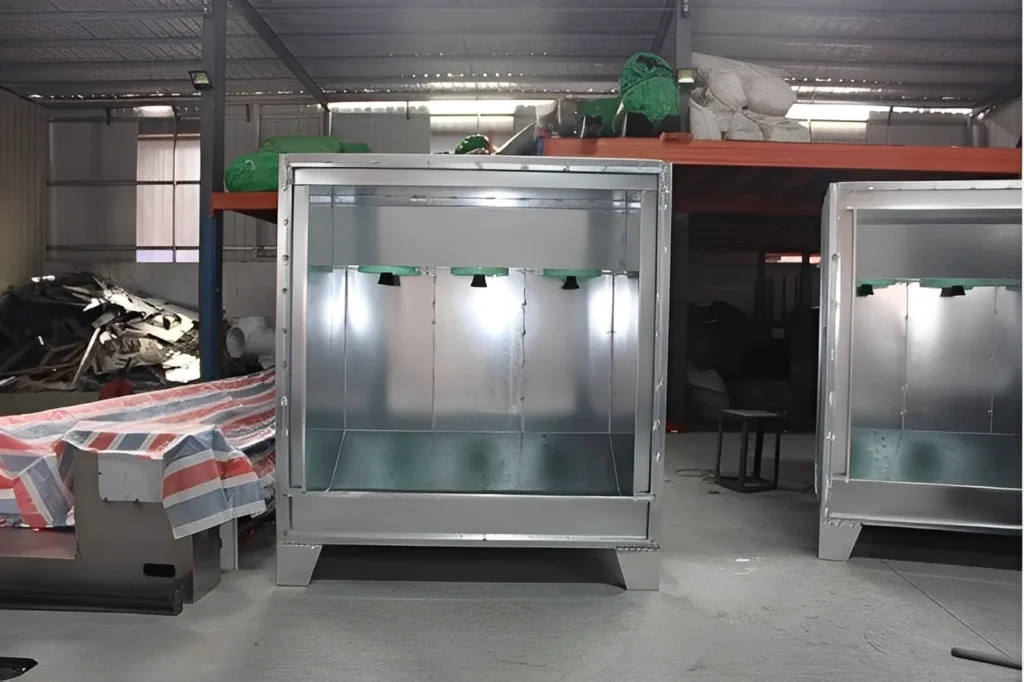
Suitable plastics:
High-temperature thermoplastics
- Nylon
- PPS
- PEEK (in some cases)
- PTFE blends
Thermoset plastics
- Epoxy resin parts
- Phenolic resin
- Fiberglass (FRP)
- Polyester composite parts
With low-temperature or UV powders
- ABS
- Polycarbonate (PC)
- Polypropylene (PP)
- Polyethylene (PE)
- PVC
Plastics that usually cannot be powder coated
- very low-melting polyethylene
- EVA
- soft PVC
- rubber
- silicone
These materials deform long before powder can cure.
How do you powder coat plastic?
Powder coating plastic requires a modified process.
Steps: clean → surface activation → conductive base → low-temp powder → cure.
Dive Deeper: The correct process for coating plastic (200+ words)
Here is the full method:
1. Clean the plastic
Remove mold release agents, oils, fingerprints, and contaminants.
Methods:
- detergent wash
- alcohol wipe
- plastic-safe degreasers
2. Surface activation
Helps the powder stick.
Techniques:
- flame treatment
- corona discharge
- plasma treatment
- adhesion promoters
This step changes the surface energy of plastic.
3. Apply conductive primer
Because plastic cannot be grounded, a conductive coating is required.
Types:
- graphite-based primers
- carbon-black primers
- water-based conductive coatings
Once conductive, the plastic can attract powder electrostatically.
4. Spray low-temperature or UV-cured powder
Use powder designed for plastic:
- cures at 110–140°C
- or cures under UV light in 1–3 minutes
This prevents melting or warping.
5. Cure the coating
Curing methods:
- convection oven
- IR oven
- UV curing lamp
Temperature must stay below the plastic’s deformation point.
6. Cool and inspect
Once cooled, the coating becomes durable and ready for use.
This process is widely used for consumer electronics, automotive parts, and household items.
What are the advantages of powder coating plastic?
Powder coating provides a high-quality finish that traditional paint cannot match.
Benefits:
- thicker, more protective coating
- impact resistance
- chemical resistance
- UV stability
- no solvents or VOCs
- uniform color
- long service life
Powder coating is far more durable than liquid paint on many plastics.
What industries powder coat plastic?
Many industries use powder-coated plastics:
- automotive interior parts
- motorcycle components
- home appliances
- electronics housings
- medical equipment
- sporting goods
- outdoor furniture
- lighting components
Low-temperature and UV-cure powders continue to expand new applications every year.
Conclusion
Plastic can be powder coated, but only with suitable materials and special processes. Heat-resistant plastics and UV-curable or low-temperature powders make it possible to apply durable, attractive powder coatings to many types of plastic. With the right preparation and technology, powder coating plastic delivers long-lasting performance and excellent aesthetics.
 English
  Malay
Malay  Indonesian
  Russian
  Spanish
  Vietnamese
  Bosnian
  French
  Japanese