
Powder coating gives metal a very strong and durable finish. Many people think this coating cannot be painted over, but sometimes I also need to repaint old parts in my projects. So this question appears often when someone wants a new color or needs to repair damage.
You can paint over powder coating as long as the surface is cleaned, sanded, and properly prepared. With the right prep work, paint sticks well and stays durable.
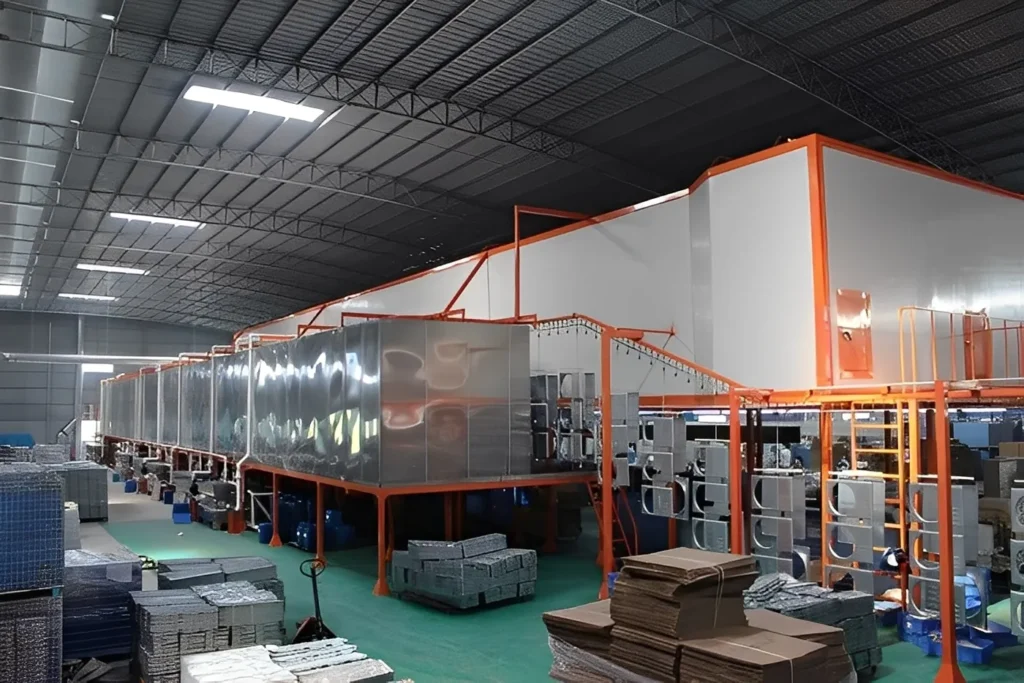
When I help factories and metal shops upgrade old products, repainting powder-coated surfaces is very common. The secret is simple: preparation decides everything.
Can you paint over powder coating?
Yes, you can.
Paint sticks on powder coating when the surface is roughened, cleaned, and primed correctly. Smooth powder coating must be sanded to create adhesion.
Dive Deeper: Why powder coating needs surface preparation before painting(200+ words)
Powder coating is very tough. It forms a strong chemical bond when it cures, which gives metal a hard, protective shell. This shell protects the surface from corrosion, scratches, and weather. Because of this hardness, it also resists paint unless the surface is altered.
Powder coating is naturally smooth. Paint needs something to grip, so the surface must be scratched lightly. This is why sanding is the most important step. It creates tiny grooves that primer and paint can grab onto.
Oil, dust, and dirt are also a concern. Powder-coated parts often sit in storage or operate in dirty environments. If these contaminants stay on the surface, the paint may peel or form bubbles. Cleaning solves this problem.
Primer is another key factor. Some people skip primer and try to put paint directly on the powder. This usually fails. Primer improves adhesion and helps paint spread evenly. With a good primer, paint bonds strongly, even on old powder coating.
Once the surface is cleaned, sanded, and primed, paint will attach properly and last for a long time. Most coatings—spray paint, automotive paint, and industrial coatings—work well after correct preparation.
What paint works best on powder coating?
Not all paints are equal. Some perform better on powder-coated surfaces.
The best paints are: acrylic paint, epoxy paint, polyurethane paint, and automotive-grade paints.
Dive Deeper: Which paint types bond strongest to powder coating?(200+ words)
Here are the most reliable choices:
Acrylic paints
Acrylic paints are easy to use, flexible, and compatible with many surfaces. Because acrylic paint dries fast and stays stable outdoors, it is good for small projects and indoor parts. It also works well with many primers.
Epoxy paints
Epoxy paint gives the strongest bond. It is often used in industrial applications because it resists chemicals, abrasion, and moisture. When applied over a sanded powder coat, epoxy has excellent durability. This is the best choice for machinery and metal parts that face heavy use.
Polyurethane paints
Polyurethane paint has strong UV resistance. When outdoor durability is important, this type performs well. It sticks tightly and keeps gloss for many years.
Automotive paints
These paints are designed for metal and for strong adhesion over primed surfaces. They work very well on powder-coated metal that has been sanded and primed properly.
Paints to avoid
Latex house paint is too soft and will not bond properly.
Cheap spray paints with low solids also peel easily.
Choosing the correct paint increases life span and prevents cracking or peeling.
How do you prepare powder coating for painting?
Preparation is the most important part.
Clean → sand → clean again → apply primer → paint.
Dive Deeper: Step-by-step preparation process(200+ words)
Here is the method I use when repainting powder-coated parts:
Cleaning
First, remove all grease, oils, and dirt. I usually use a degreaser or alcohol cleaner. If any oil stays, paint will not stick. Cleaning must be thorough.
Sanding
Next, the powder coating must be sanded to create a rough surface. The goal is not to remove the powder coat, only to scratch the surface enough for paint to grip. Fine-grit sandpaper, such as 220–320 grit, works best. For large areas, scuff pads are helpful.
Cleaning again
After sanding, dust must be removed. If dust stays on the surface, it will mix with the paint and create bumps or poor adhesion.
Priming
Primer creates a bonding layer between the smooth powder coat and the new paint. Self-etching primers work well, but for the best result, epoxy primers are recommended. They provide strong adhesion and improve durability.
Painting
Once primed, the surface is ready for painting. Spray paints, automotive paints, and two-part coatings work well. Several thin coats are better than one thick coat.
With these steps, the paint will stay attached and resist peeling for a long time.
Should you remove powder coating before painting?
Not always.
You do not need to remove powder coating if the surface is in good condition. You only need to remove it when it is peeling, rusting underneath, or heavily damaged.
Dive Deeper: When removal is necessary and when it is not(200+ words)
There are two situations:
When you do NOT need to remove powder coating
If the powder coat is still strong, smooth, and well-bonded, painting over it is fine. A sanded and primed powder coat can hold paint as well as bare metal. This saves time and cost.
This is common for:
- furniture
- aluminum profiles
- metal signs
- machinery covers
As long as the surface is strong, you can paint over it safely.
When you MUST remove powder coating
Removal is needed when:
- the powder coating is peeling
- rust is spreading under the coating
- the coating is cracked
- the coating is too thick
- you need bare metal for welding
- the surface is contaminated beyond repair
Removing the coating ensures the new paint does not trap problems inside.
Removal methods include chemical stripping, blasting, or heat removal.
Understanding whether the existing coating is healthy helps you make the right choice.
Conclusion
You can paint over powder coating. The key is proper preparation: cleaning, sanding, and priming. With the right paint and surface prep, the new finish bonds strongly, looks smooth, and stays durable for many years.
 English
  Malay
Malay  Indonesian
  Russian
  Spanish
  Vietnamese
  Bosnian
  French
  Japanese