
Powder coating is known for its durability and clean finish on metal. Many people ask if the same strong finish can be applied to wood, especially in furniture, cabinets, and decorative panels. The idea sounds unusual, but modern technology makes it possible.
Yes, you can powder coat wood — but only engineered wood materials that can handle heat and accept a conductive primer. MDF is the most common wood product used for powder coating.
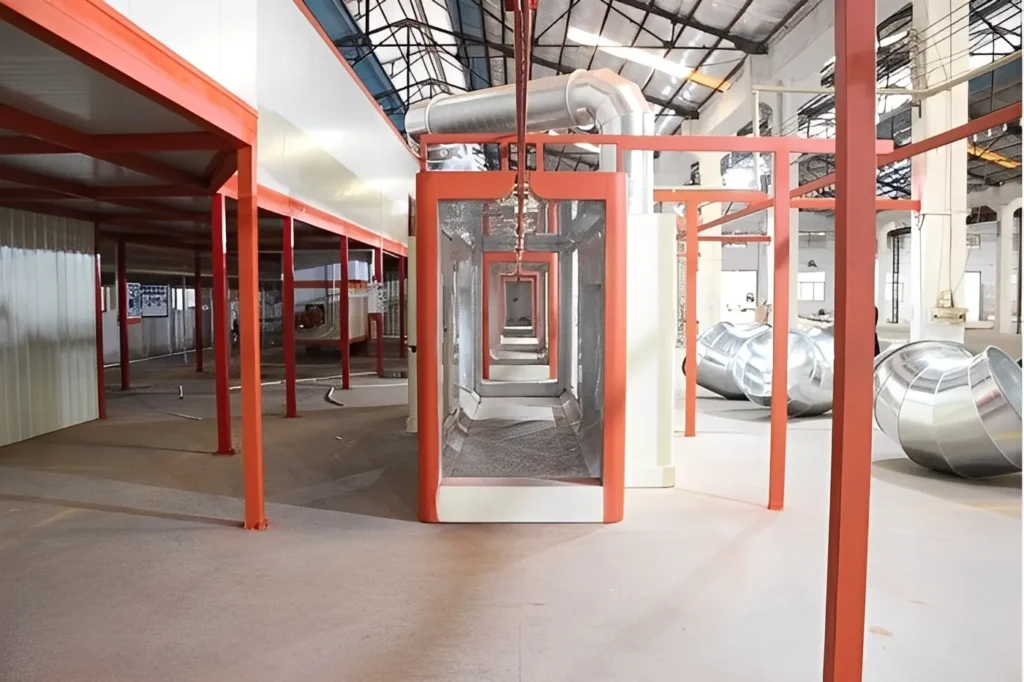
I have worked with factories that use MDF powder coating for cabinets, office furniture, and interior panels. When done properly, the finish is smooth, durable, and more eco-friendly than liquid paint.
Can you powder coat wood?
Yes — but not all types of wood are suitable.
Only wood materials like MDF or engineered panels can be powder coated because they can handle low-temperature curing and be made conductive. Natural solid wood cannot be powder coated.
Dive Deeper: Why most wood cannot be powder coated (200+ words)
Traditional powder coating requires:
- electrical conductivity
- stable surface
- heat resistance of 160–200°C
- low moisture content
Natural wood fails in several areas:
- It is not conductive, so powder will not stick.
- It absorbs moisture, which creates bubbles during curing.
- It warps under heat, especially above 120–140°C.
- It has inconsistent density, which makes coating uneven.
To solve these issues, the industry uses engineered wood, which has:
- stable density
- smooth surfaces
- controlled moisture
- better heat tolerance
MDF (medium-density fiberboard) is the best example. It can be sealed, made conductive, and cured at lower temperatures.
With the right primer and low-bake powder, MDF becomes a strong candidate for powder coating, especially in indoor applications.
| Wood Type | Powder Coat Suitable? | Reason |
|---|---|---|
| Solid wood | No | Warps, absorbs moisture, not conductive |
| MDF | Yes | Stable, uniform, can be preheated |
| HDF | Yes | High density, smooth finish |
| Plywood | Sometimes | Requires special treatment |
| Particleboard | Poor | Weak edges, uneven density |
What wood materials can be powder coated?
Not all wood is equal. Some perform much better in powder coating systems.
Best candidates: MDF and HDF.
Dive Deeper: Wood types and their behavior in powder coating (200+ words)
Here’s how different engineered woods behave:
1. MDF (Medium-Density Fiberboard)
Most commonly powder coated.
Benefits:
- smooth surface
- no grain
- consistent density
- absorbs conductive primers well
MDF absorbs heat slowly and evenly, which prevents warping.
2. HDF (High-Density Fiberboard)
Denser and stronger than MDF.
Better edges, better impact resistance.
Used in:
- cabinets
- drawers
- decorative panels
3. Plywood
Challenging because it has:
- uneven density
- veneers that may separate
- edges that absorb heat differently
Powder coating plywood requires heavy pretreatment.
4. Solid wood
Not suitable.
Moisture expands under heat, causing cracks and bubbles.
5. Particleboard
Weak and porous; edges crumble.
Rarely used for powder coating.
Wood powder coating performs best indoors, in controlled environments such as:
- office furniture
- home cabinets
- store fixtures
- architectural panels
How do you powder coat wood?
Powder coating wood requires a specialized method.
Steps: dry the wood → seal → apply conductive primer → spray powder → cure at low temperature.
Dive Deeper: Step-by-step process for wood powder coating (200+ words)
The full process is different from metal coating:
1. Dry the wood
Moisture content must be below 6%.
High moisture creates bubbles during curing.
2. Seal the surface
Engineered wood needs sealing so powder does not sink into pores.
Sealants include:
- UV sealer
- powder-ready primers
- moisture barriers
3. Apply conductive coating
Because wood does not conduct electricity, a conductive primer is needed.
Common options:
- water-based conductive primers
- carbon-based coatings
This allows electrostatic attraction of powder.
4. Spray low-temperature powder
Standard powders cure at 180°C, but wood would burn or warp.
Wood powder coating uses:
- low-temp powders: 110–130°C
- UV-cured powders: cure in seconds under UV light
UV powders are ideal for wood because the heat exposure is minimal.
5. Cure the coating
Curing options:
- infrared (IR) ovens
- convection ovens
- UV curing lamps
The goal is to cure the powder without overheating the wood.
6. Cool and inspect
Once cooled, the coating becomes smooth, durable, and ready for use.
What are the advantages of powder coating wood?
Powder coating gives wood products several significant benefits.
Benefits:
- thicker, more durable coating
- seamless edges
- no VOC emissions
- scratch and moisture resistance
- fast processing
- high-quality appearance
Powder-coated MDF surfaces feel smoother than painted surfaces and have better impact resistance.
What industries use powder-coated wood?
Powder coating on MDF is growing quickly in several industries:
- office furniture
- kitchen and bathroom cabinets
- wardrobe doors
- store displays
- acoustic panels
- interior architectural components
The environmental benefits (no solvents) also make it popular with modern manufacturers.
Conclusion
Wood can be powder coated — but only engineered wood products like MDF or HDF using low-temperature or UV-cured powders. With the right sealing, conductive primers, and curing methods, powder-coated wood delivers a beautiful, durable finish that works well for indoor applications and modern furniture design.
 English
  Malay
Malay  Indonesian
  Russian
  Spanish
  Vietnamese
  Bosnian
  French
  Japanese