
Many engineers think aluminum is too smooth to hold powder, but the truth is simple when the surface gets the right preparation.
Yes, aluminum can be powder coated. Aluminum accepts pretreatment well, charges easily in the spray booth, and cures into a durable finish when temperature is controlled.
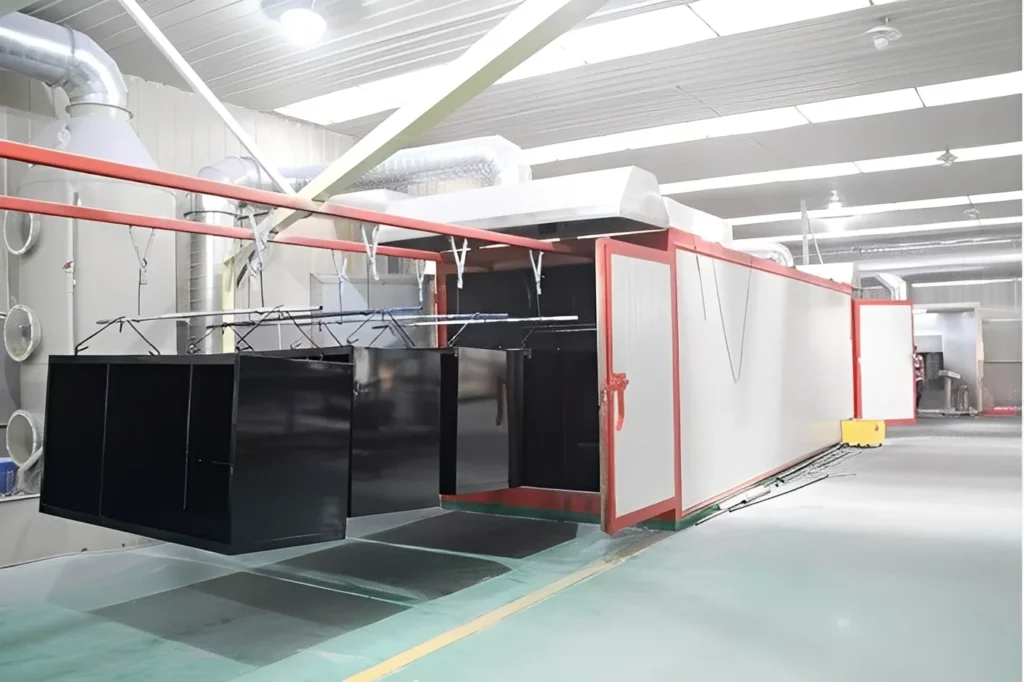
I coat aluminum almost every week for furniture frames, industrial housings, and architectural profiles. Aluminum is one of the easiest metals to coat once the preparation is correct.
Why can aluminum be powder coated successfully?
Aluminum forms a natural oxide layer that accepts pretreatment and holds powder well when cleaned and dried.
Aluminum can be powder coated because pretreatment removes oxidation, improves adhesion, and helps the powder melt and bond tightly during curing.
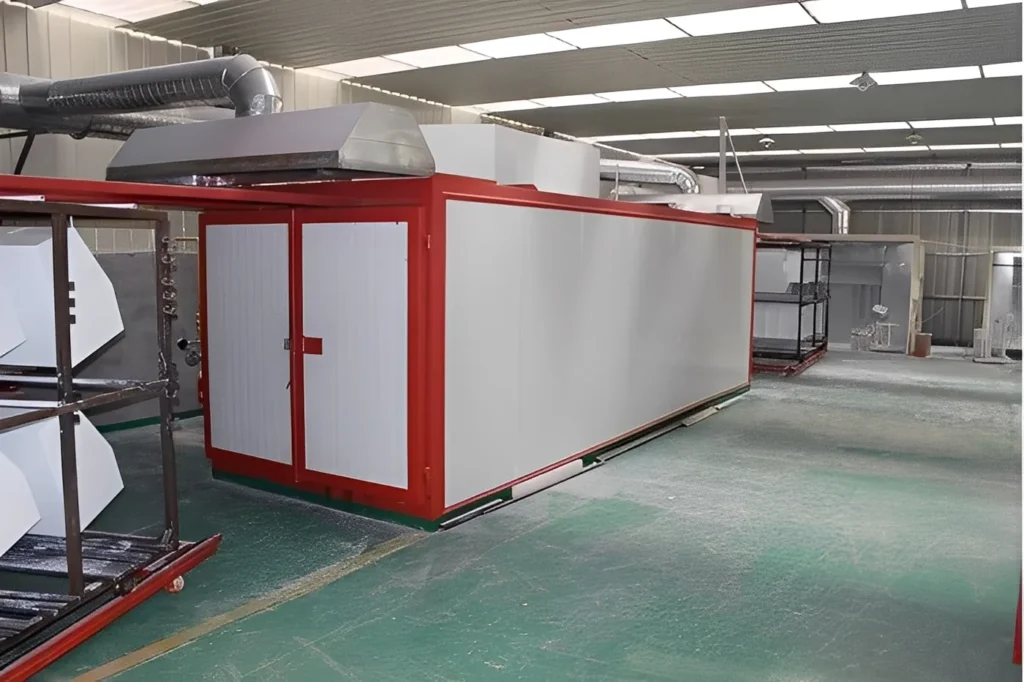
Dive Deeper: Why aluminum responds so well to powder coating
Aluminum behaves differently from steel. Its surface does not rust, but it forms a thin oxide layer almost immediately after exposure to air. This oxide layer can help or hurt adhesion depending on how the part is prepared.
When the oxide layer is left untreated, powder coat may not hold well. The coating may peel or chip. But when aluminum is cleaned and pretreated, the oxide behaves like an anchor layer. It gives the powder something to grip when the resin melts during curing.
Aluminum also accepts electrostatic charge better than many metals. When I spray aluminum parts, the powder cloud wraps around edges and curves smoothly. This reduces thin spots and helps create a consistent finish on every surface. Operators often tell me aluminum “coats easier” than thick steel parts because the attraction is strong and even.
Curing is another reason aluminum is ideal for powder coating. Aluminum heats quickly and reaches curing temperature faster than steel. This creates strong crosslinking and a smooth finish. But the fast heating also means operators must watch the temperature closely. Thin aluminum can overheat if the oven runs too hot.
The strength of the bond between powder and aluminum makes the coating last for years outdoors. This is why many industries—construction, automotive, furniture—use powder-coated aluminum parts.
Here is a simple table that explains why aluminum is a great match for powder coating:
| Reason | How It Helps | Result |
|---|---|---|
| Natural oxide layer | Helps adhesion when treated | Strong bond |
| Easy electrostatic charge | Powder wraps evenly | Smooth finish |
| Fast heating | Quick curing | Durable film |
| No rust | Clean base surface | Fewer defects |
With proper preparation, aluminum becomes one of the best materials for powder coating.
How do you powder coat aluminum the right way?
You must clean, pretreat, dry, spray, and cure aluminum with stable settings.
To powder coat aluminum correctly, you remove surface oils, apply a conversion coating, dry the part fully, spray with balanced voltage, and cure at a temperature that avoids warping.
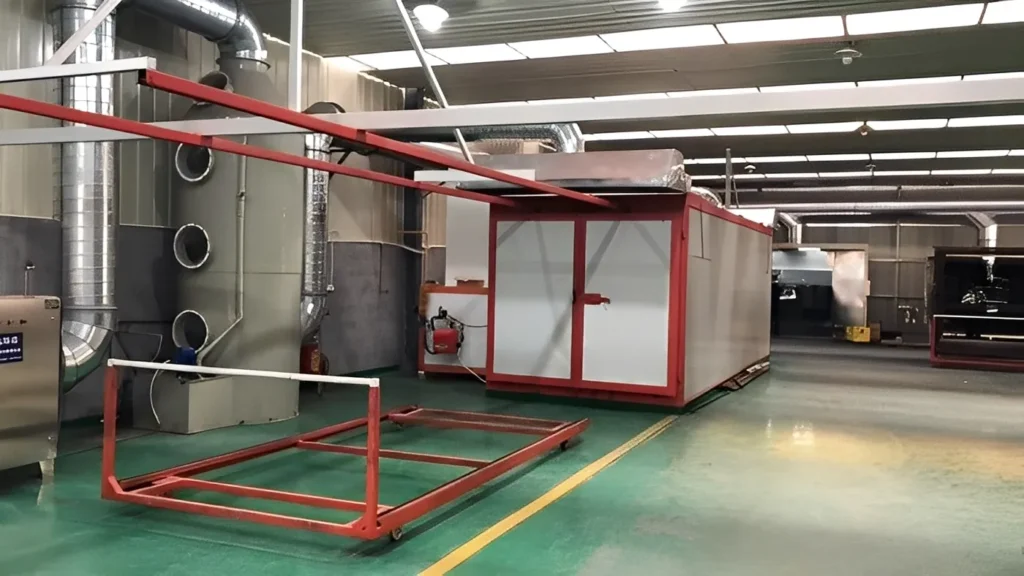
Dive Deeper: Step-by-step process that works in real factories
When I coat aluminum for industrial projects, I follow a clear method. Each step helps the coating become strong, even, and long-lasting.
(1) Clean the aluminum
Aluminum parts often arrive with cutting oils, fingerprints, or dust. These contaminants block adhesion. I use an alkaline cleaner or mild degreaser. Clean surfaces lead to stronger coating.
(2) Apply pretreatment
A conversion coating improves adhesion and corrosion resistance. Most aluminum products use chrome-free treatments. This stage prepares the oxide layer so the melted powder can bond properly.
(3) Dry the part completely
Even small water drops cause pinholes during curing. I make sure the part is fully dry before it enters the spray booth.
(4) Spray the powder
Aluminum charges well, so spray settings stay simple. I use medium voltage (60–80 kV) and moderate powder flow. Too much voltage causes back-ionization. Too little reduces wrap-around.
(5) Cure at the correct temperature
Most powders cure between 160–200°C. Aluminum heats fast, so I adjust the conveyor speed or oven setting to prevent overheating. Stable curing gives aluminum a smooth, durable finish.
(6) Cool naturally
I allow aluminum to cool slowly. Fast cooling can create slight warping in thin parts.
Here is a process overview:
| Step | Action | Why It Matters |
|---|---|---|
| Clean | Remove oils | Better adhesion |
| Pretreat | Conversion coat | Strong bonding |
| Dry | Remove moisture | No pinholes |
| Spray | Medium voltage | Even coverage |
| Cure | Controlled heat | Durable finish |
| Cool | Natural cooling | Surface stability |
This method gives aluminum a smooth, strong, and consistent powder-coated finish every time.
What problems happen when powder coating aluminum?
Most defects come from poor pretreatment or overheated curing.
Common problems include peeling, pinholes, orange peel, discoloration, and warping caused by weak cleaning, wrong heat settings, or trapped moisture.
Dive Deeper: Why these issues appear and how to prevent them
I see the same aluminum coating issues repeated in many shops. The root cause is almost always pretreatment or curing.
Peeling
This happens when pretreatment is skipped or the surface is oily. Aluminum needs clean, prepared surfaces.
Pinholes
Moisture trapped inside hollow profiles or tight corners escapes during curing. Preheating or careful drying prevents this.
Orange peel
Low oven temperature or excessive powder flow creates rough texture. Aluminum must reach the full cure temperature for proper leveling.
Discoloration or yellowing
Aluminum heats quickly. If the oven is too hot, light colors like white or beige change tone. I lower oven temperatures and extend line speed to avoid this.
Warping
Thin aluminum panels may bend if overheated. Stable curing solves this problem.
Here is a defect chart:
| Defect | Cause | Fix |
|---|---|---|
| Peeling | Poor prep | Better pretreatment |
| Pinholes | Moisture | Preheat or dry thoroughly |
| Orange peel | Low melt flow | Adjust heat or flow |
| Yellowing | Overcuring | Lower temperature |
| Warping | Excess heat | Tune oven settings |
When the process stays simple and controlled, aluminum coatings remain stable and professional.
Conclusion
Yes, aluminum can be powder coated easily when the surface is cleaned, pretreated, sprayed, and cured with steady and simple controls.
 English
  Malay
Malay  Indonesian
  Russian
  Spanish
  Vietnamese
  Bosnian
  French
  Japanese