
Many people believe powder coating only works on metal. Since plastic is non-conductive and heat-sensitive, it seems impossible. But the truth is more interesting.
Yes, you can powder coat plastic — but only if the plastic can withstand heat and is made conductive before spraying. Not all plastics are suitable.
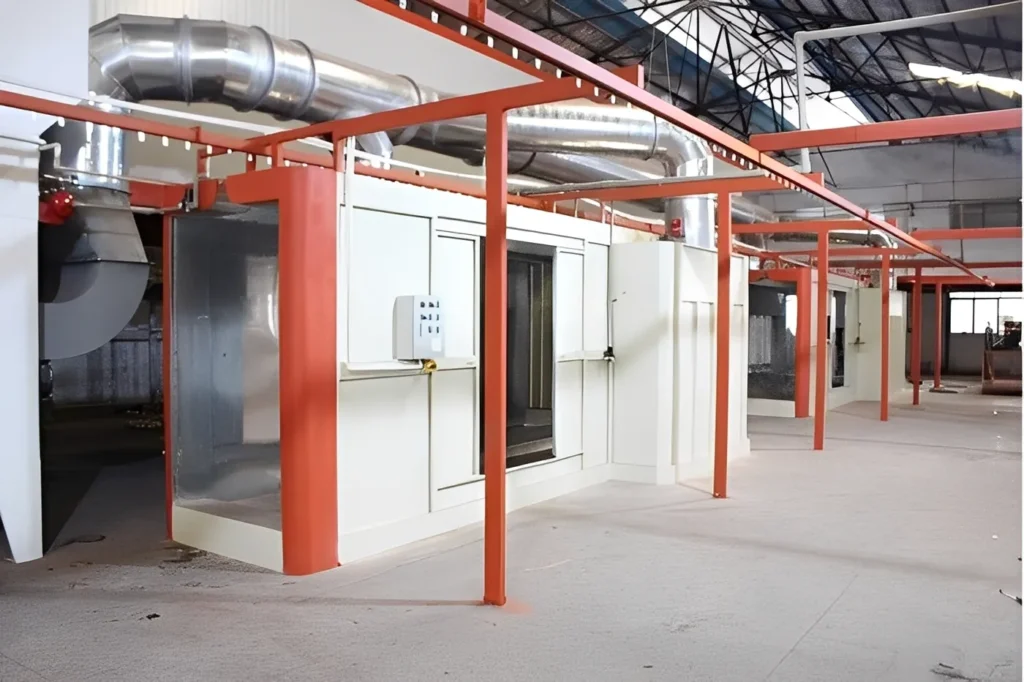
I have worked with manufacturers who needed powder coatings on plastic automotive parts, appliance housings, and decorative panels. It can be done, but it requires the right material, the right pretreatment, and the right powder.
Why is powder coating plastic difficult?
Plastic has two natural disadvantages: it does not conduct electricity, and it cannot always handle high temperatures.
Powder coating is difficult on plastic because powder requires electrical charge to stick, and curing requires heat that many plastics cannot survive.
Dive Deeper: The science behind the challenge (200+ words)
Powder coating uses electrostatic attraction. The spray gun charges the powder, and the grounded metal attracts it. Plastic, however, does not conduct electricity. Without conductivity, powder does not attach, it simply falls off.
The second issue is heat. Powder coating requires 160–200°C to melt and cure. Many plastics soften, warp, or melt at temperatures far lower than this.
Only heat-resistant plastics or engineered polymers can survive the curing process. Examples:
- Nylon
- Polyphenylene sulfide (PPS)
- Polyetherimide (PEI / Ultem)
- Glass-filled polymers
- Some thermoset plastics (Bakelite, epoxy composites)
To powder coat plastic, shops use special methods to solve these two problems:
(1) Make the plastic conductive
This can be done with:
- Conductive primer
- Flame treatment
- Corona treatment
- Plasma pretreatment
(2) Use low-temperature powder
Some powders cure at 120–140°C, allowing more plastics to be coated safely.
If both conditions are satisfied, plastic can hold a durable and attractive powder coating.
| Challenge | Reason | Solution |
|---|---|---|
| Not conductive | Powder won’t stick | Conductive primer / plasma |
| Heat sensitive | Warps in oven | Low-temp powder |
| Smooth surface | Weak adhesion | Surface etching |
How do you powder coat plastic correctly?
To powder coat plastic, you must change the surface properties so the powder can stick and survive curing.
The correct method is: clean → roughen → apply conductive layer → spray powder → cure with low-temperature cycle.
Dive Deeper: Step-by-step process that actually works (200+ words)
Here is the method manufacturers use to powder coat plastics:
(1) Clean and remove surface oils
Plastic surfaces often contain mold-release agents from manufacturing.
Use:
- Soap and water
- Solvent cleaning
- Alcohol wipe
Any oil prevents adhesion.
(2) Create surface texture
Plastic needs micro-texture to hold powder.
Methods:
- Light sanding
- Chemical etching
- Flame treating
This improves mechanical grip.
(3) Apply conductive treatment
This is the key step.
Options:
- Conductive liquid primer (most common)
- Graphite-based conductive coating
- Corona or plasma discharge
- Carbon-loaded primer
This allows powder to accept and hold electrostatic charge.
(4) Spray powder coating
Use low-temperature powder designed for plastics.
Recommended spray settings:
| Parameter | Value |
|---|---|
| Voltage | 30–60 kV |
| Gun distance | 12–20 cm |
| Powder flow | Low–Medium |
Too much charge will repel powder.
(5) Low-temperature curing
This is the second critical factor.
Low-temp powders cure at:
- 120–140°C metal equivalent temperature
- 10–20 minutes curing time
The plastic must stay dimensionally stable at this temperature.
(6) Cool slowly
Allow the part to cool naturally to avoid warping.
Which plastics can be powder coated?
Not all plastics are suitable.
Heat-resistant and engineered plastics are best candidates for powder coating.
Dive Deeper: Plastics that work vs. plastics that fail (200+ words)
Here is a clear breakdown.
✔ Plastics that usually CAN be powder coated
These tolerate heat and accept conductive treatments:
- Nylon (PA)
- PPS(聚苯硫醚)
- PEI / Ultem
- Phenolic(酚醛)
- Glass-filled plastics
- Fiber-reinforced composites
- Thermoset plastics(如 epoxy-based)
These materials are common in:
- Automotive parts
- Aerospace components
- Industrial parts
- High-performance electrical housings
They resist warping and bond well with powder.
❌ Plastics that usually CANNOT be powder coated
These melt or deform below 120°C:
- PVC
- ABS
- Polypropylene (PP)
- Polyethylene (PE)
- Polystyrene
- Acrylic
These materials soften easily and cannot survive the curing oven.
Some shops attempt powder coating with “UV-curing powders,” which cure without high heat, but this requires specialized equipment and is less common.
| Plastic Type | Heat Resistance | Powder Coatable? |
|---|---|---|
| Nylon | High | Yes |
| PPS | Very High | Yes |
| PP / PE | Low | No |
| ABS | Medium-Low | Rare |
| Thermoset plastics | High | Yes |
| PVC | Low | No |
What are the benefits of powder coating plastic?
When successful, powder coating can improve plastics significantly.
Benefits include scratch resistance, chemical resistance, better appearance, and longer lifespan.
Dive Deeper: Why customers choose powder coating on plastic (200+ words)
Plastic products often need better surface durability. Paint chips easily, but powder coating forms a solid, crosslinked layer that improves:
- Abrasion resistance
- UV resistance
- Chemical resistance
- Impact toughness
- Heat durability
- Appearance quality
Powder coating also offers finishes that liquid paint struggles to achieve:
- Sand texture
- Wrinkle finish
- Glossy metallic
- Uniform matte
- Thick protective layers
Because powder contains no solvents, the coating is environmentally friendly and creates no VOC emissions.
Industries that benefit from powder-coated plastics:
- Automotive interior trims
- Electrical housings
- Sporting goods
- Appliance components
- Handles and knobs
- Military or outdoor gear
If the plastic substrate is compatible, powder coating dramatically boosts product lifespan.
Conclusion
Yes, you can powder coat plastic — but only if the plastic can survive the heat and is treated to become conductive. With the right pretreatment and low-temperature powders, plastic parts can achieve strong, beautiful, and durable finishes similar to metal.
 English
  Malay
Malay  Indonesian
  Russian
  Spanish
  Vietnamese
  Bosnian
  French
  Japanese