
Powder coat is one of the most durable and popular finishes in modern manufacturing. It replaces traditional wet paint with a cleaner, tougher, and more efficient coating method. Many people know it creates a strong finish, but few understand what it actually is or how it works.
Powder coat is a dry finishing process where fine powder is electrostatically charged, sprayed onto metal, and then baked in an oven to create a hard, protective, and attractive coating.
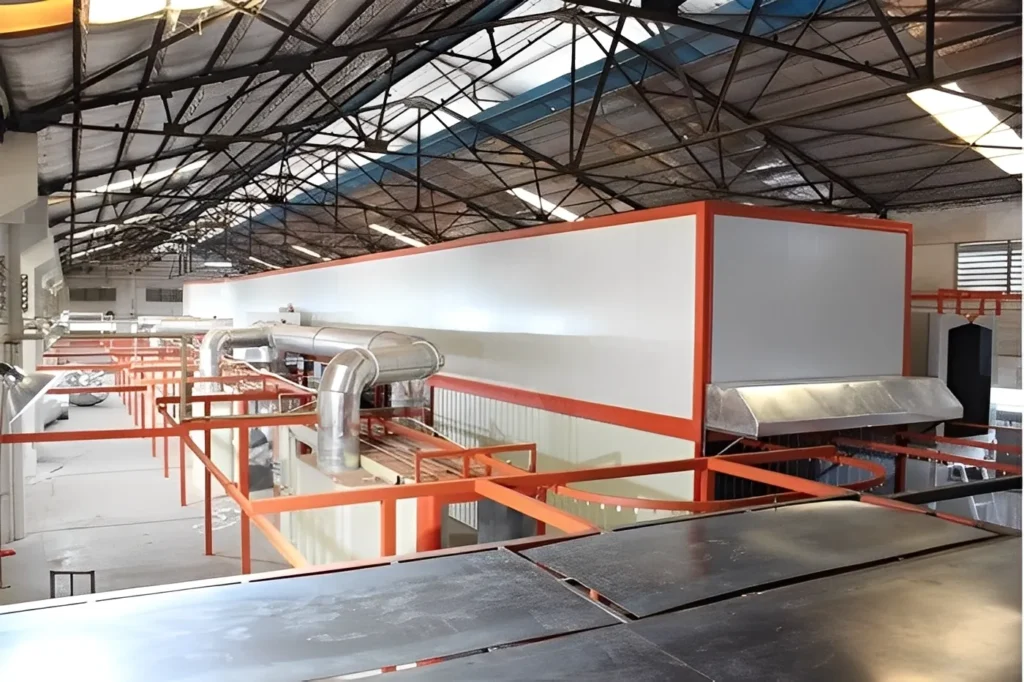
I work with factories and engineering teams every day, and powder coating is now their first choice for metal finishing because it provides strength, corrosion protection, and long-lasting color with very low maintenance.
What exactly is powder coating?
Powder coating is a dry paint made from finely ground particles of pigment, resin, and additives. It sticks to metal using electrostatic charge and becomes a solid coating after heating.
Powder coating is a dry powder that is sprayed with static electricity and cured in an oven to form a durable, uniform finish.
Dive Deeper: What powder is made of and why it works (200+ words)
Powder coat is different from wet paint because it contains no liquid solvent. Instead, it uses 100% solid particles. These particles are typically a blend of:
- Resins (polyester, epoxy, polyurethane)
- Pigments (color)
- Additives (texture, gloss, UV resistance)
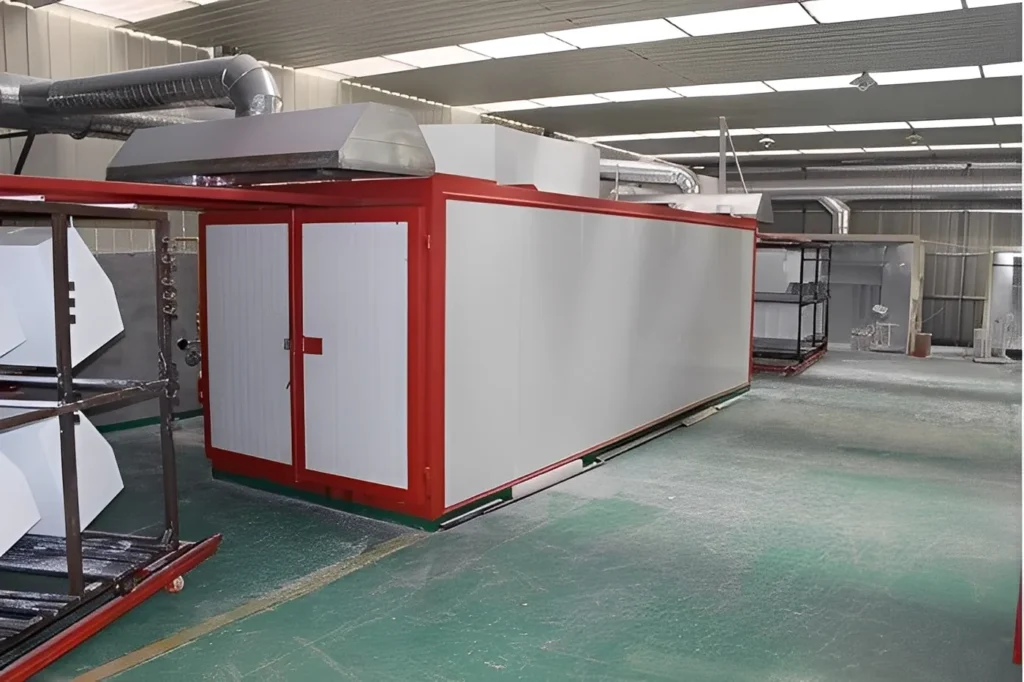
During spraying, the powder gains an electrostatic charge. The metal part is grounded, so the powder is attracted to it like a magnet. After spraying, the part goes into a curing oven. At around 160–200°C, the powder melts, flows, and chemically reacts to become a continuous solid coating.
This chemical crosslinking makes powder coating:
- harder than paint
- thicker without running
- resistant to scratches
- weatherproof
- corrosion-resistant
- safe and environmentally friendly
Because powder contains no solvent, it does not evaporate or create harmful fumes. It also produces very little waste, which is why factories prefer it for sustainability.
| Component | Purpose |
|---|---|
| Resin | Strength + durability |
| Pigments | Color |
| Additives | Texture, gloss, special effects |
| Electrostatic charge | Helps powder stick |
| Heat curing | Creates final solid coating |
How does the powder coating process work?
The process has three main steps: clean, spray, and cure.
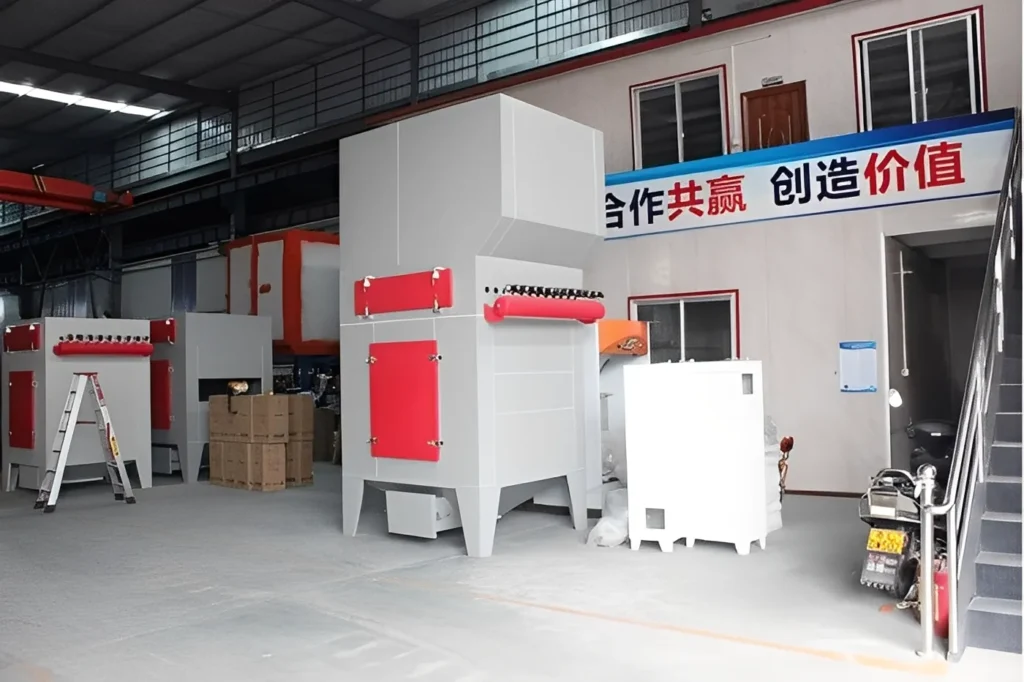
Powder coating works by cleaning the metal, spraying electrically charged powder, and baking it in an oven until it forms a hard protective layer.
Dive Deeper: Step-by-step explanation of the powder coat process (200+ words)
Here is the complete workflow used in factories:
(1) Surface Preparation
Preparation is critical for strong adhesion.
Steps include:
- Degreasing
- Rinsing
- Sandblasting or phosphating
- Drying
Clean metal ensures the final powder coat sticks properly.
(2) Electrostatic Spraying
A spray gun charges the powder with high voltage (60–90 kV).
The charged powder is attracted to the grounded metal part and sticks evenly across the surface.
Advantages:
- No running or dripping
- Even thickness
- High transfer efficiency
(3) Curing in an Oven
The part goes into a curing oven at 160–200°C.
During curing:
- Powder melts
- Flows smoothly
- Chemically reacts
- Turns into a solid, tough coating
After cooling, the part can be handled immediately.
The result is a finish that often lasts 10–20 years.
What are the benefits of powder coating?
Powder coat is popular because it provides better durability and environmental safety than liquid paint.
Key benefits include durability, corrosion resistance, low environmental impact, and thick, beautiful finish quality.
Dive Deeper: Why industries prefer powder coating today (200+ words)
Powder coating solves many problems that liquid paint cannot.
Strong protection
Powder coating forms a thick, crosslinked film that resists:
- scratches
- corrosion
- moisture
- chemicals
- UV fading
Long lifespan
Powder coat can last 10–20 years outdoors and over 20 years indoors.
Zero solvent pollution
No VOCs, no harmful fumes. Safer for workers and the environment.
Excellent finish quality
It creates:
- smooth surfaces
- uniform thickness
- sharp edges
- brilliant colors
- special textures (sand, matte, gloss, metallic)
Cost efficiency
Factories save money because:
- powder overspray can be reused
- coating requires fewer layers
- curing is fast
- waste is minimal
Wide application
Powder coating is used in:
- automotive parts
- furniture
- home appliances
- construction
- industrial equipment
- outdoor products
Its strength and versatility make it ideal for both decorative and protective applications.
| Advantage | Benefit |
|---|---|
| Durability | Resists damage and corrosion |
| Efficiency | Fast curing, reusable powder |
| Eco-friendly | No solvents or VOCs |
| Appearance | Beautiful and consistent finish |
| Versatility | Works on many industries |
What is powder coating used for?
Powder coating is used almost everywhere in modern manufacturing.
Common applications include wheels, metal furniture, appliances, outdoor structures, industrial frames, and architectural parts.
Products that are often powder coated:
- Car wheels and frames
- Motorcycles
- Outdoor furniture
- Aluminum doors and windows
- Metal cabinets
- Home appliances
- Bike frames
- Industrial equipment
- Fencing and gates
Its ability to withstand weather, impact, and chemicals makes it suitable for both indoor and outdoor use.
Conclusion
Powder coat is a dry, electrostatic, and heat-cured coating that creates a strong and durable finish. It protects metal for many years, provides excellent appearance, and is environmentally friendly. This makes powder coating one of the best finishing technologies used in modern manufacturing.
 English
  Malay
Malay  Indonesian
  Russian
  Spanish
  Vietnamese
  Bosnian
  French
  Japanese