Powder Coating Lines
Manual, automatic and compact line configurations combining pretreatment, spraying, curing and conveying.
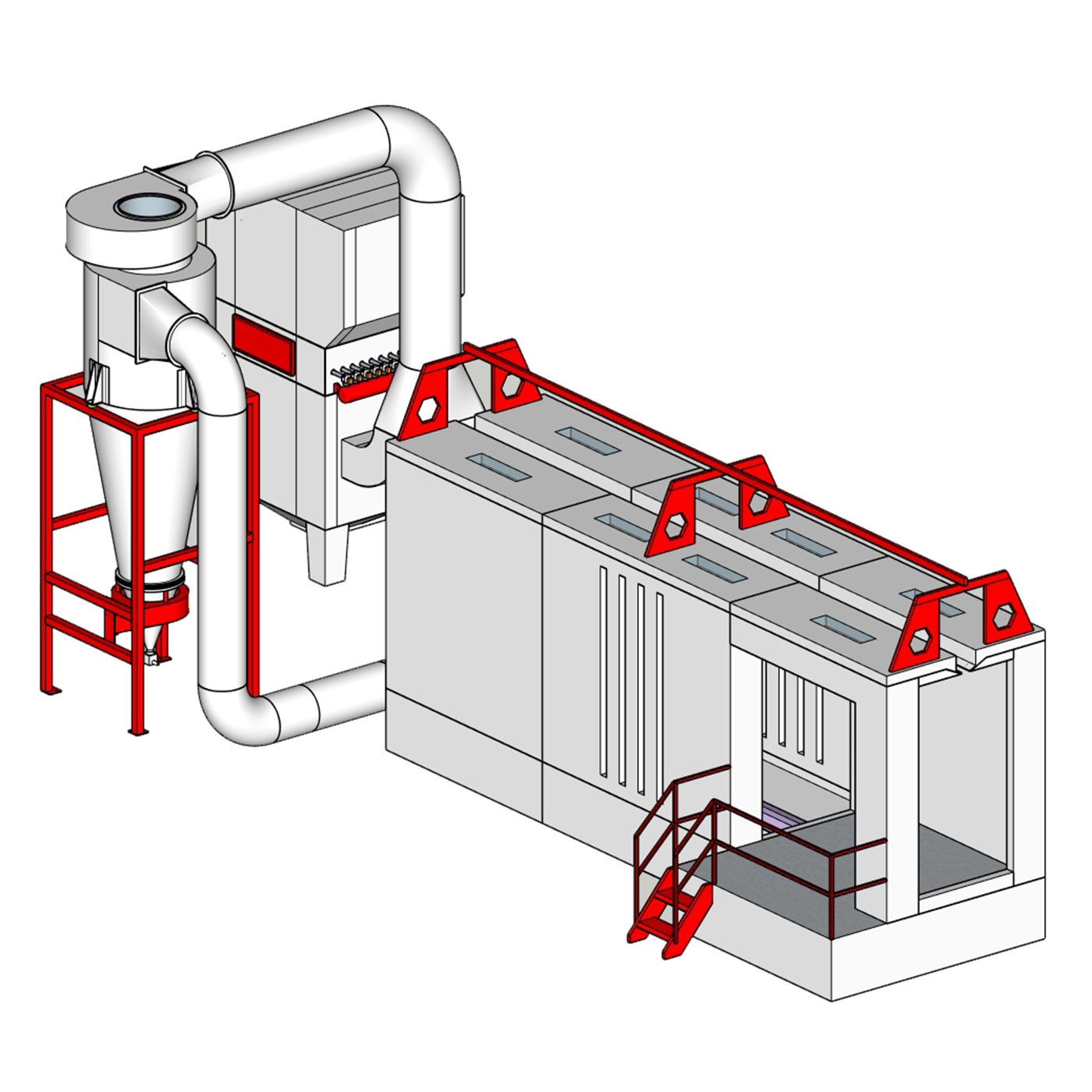
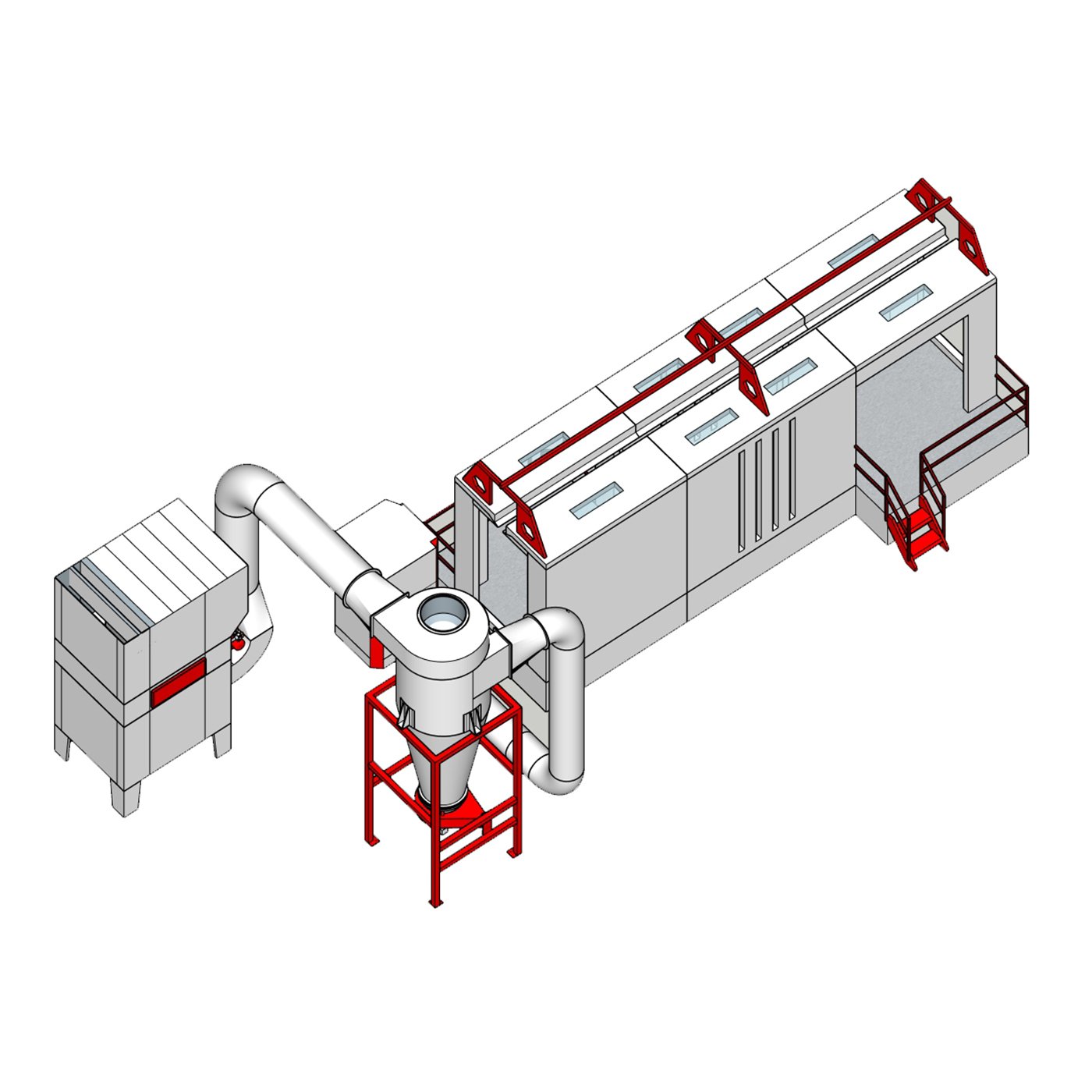
Explore Powder Coating Lines →Ketu designs and manufactures powder coating lines, booths, curing ovens, pretreatment systems, powder recovery equipment and conveyor solutions for industrial metal finishing projects. Each system is configured around your workpiece, capacity, factory space, energy source and operating requirements.
Explore complete lines and core equipment categories. Each product page explains where the equipment fits in the coating process, which configurations are available and what project information is required for selection.
Manual, automatic and compact line configurations combining pretreatment, spraying, curing and conveying.
Explore Powder Coating Lines →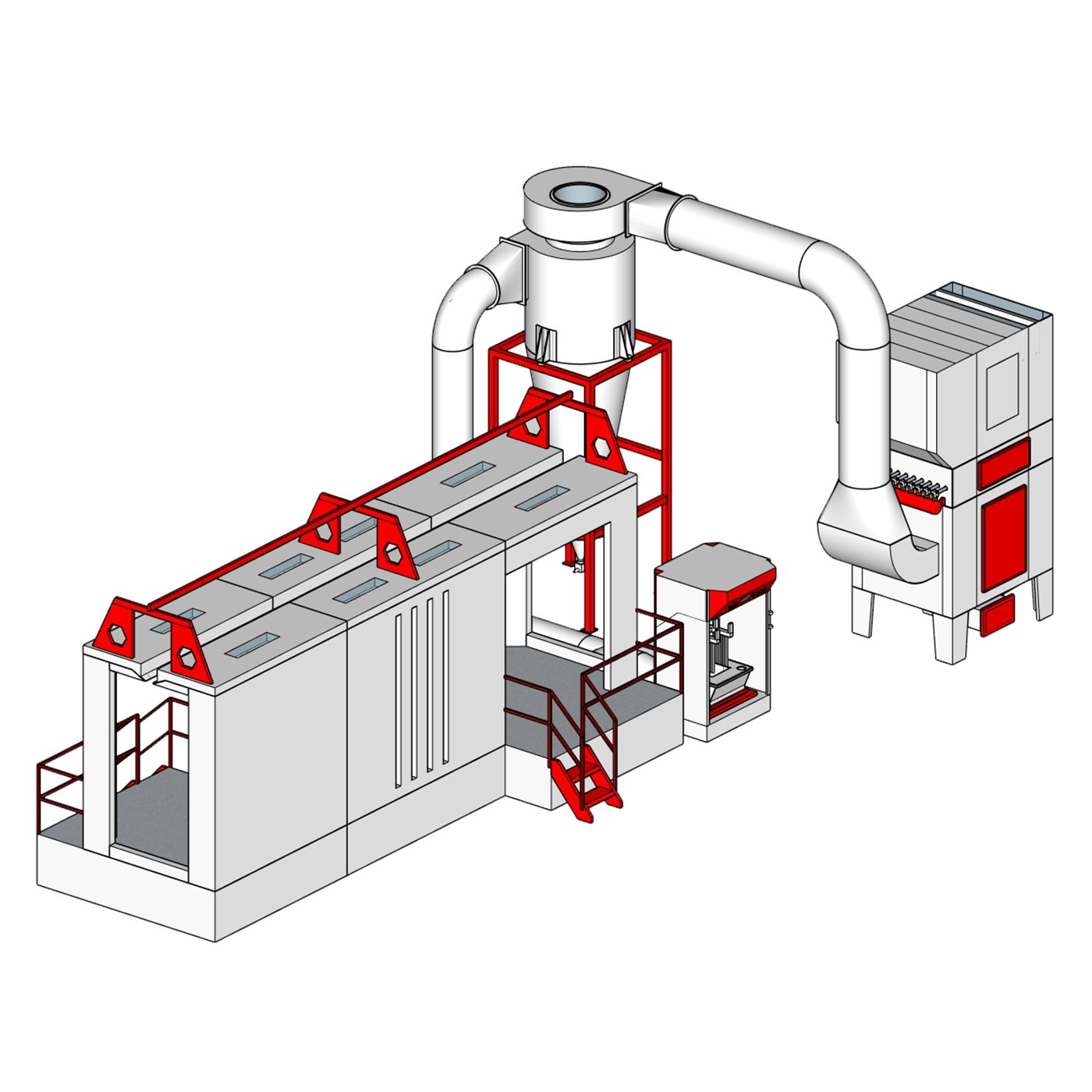
Manual, automatic, cartridge and cyclone booth options selected by production volume, colors and cleaning needs.
Compare Powder Coating Booths →Electric, gas, batch, conveyorized, dry-off and oil-fired options designed around loading and curing requirements.
Choose a Powder Coating Oven →Spray and immersion pretreatment configurations for oil removal, surface preparation and line integration.
Plan Pretreatment →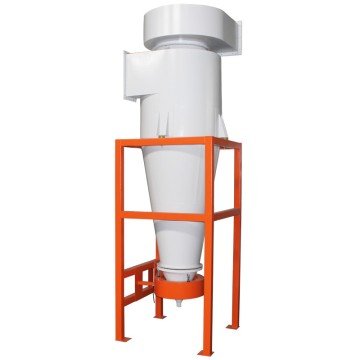
Cyclone, cartridge and secondary filtration equipment for powder separation, collection and reuse.
Explore Recovery Systems →Powder centers, hoppers, sieving and return-powder handling for stable powder supply and system integration.
View Powder Handling →Overhead, manual and floor conveyor layouts selected by workpiece weight, line speed and factory route.
Get a Conveyor Layout →Manual and automatic spray gun configurations with controllers, nozzles and powder feeding components.
Choose a Powder Gun →Equipment should be selected from the manufacturing conditions of the customer, not from a fixed standard package. Start with your part, output target, color plan, workshop dimensions and available utilities.
Different products require different hanging methods, pretreatment processes, booth configurations, oven sizes and conveyor routes. Ketu connects these decisions into a practical project layout.
Batch consistency, hanging, color changes and weather-resistant metal furniture production.
Sheet-metal pretreatment, edge coverage, surface consistency and batch production.
Heavy workpiece handling, immersion pretreatment, recovery, curing and manual conveying.
Long-workpiece hanging, pretreatment, spraying, continuous curing and layout planning.
Line speed, gun positions, reciprocators, conveyor rhythm and continuous oven design.
Equipment arrangement, maintenance access and material flow for limited workshop space.
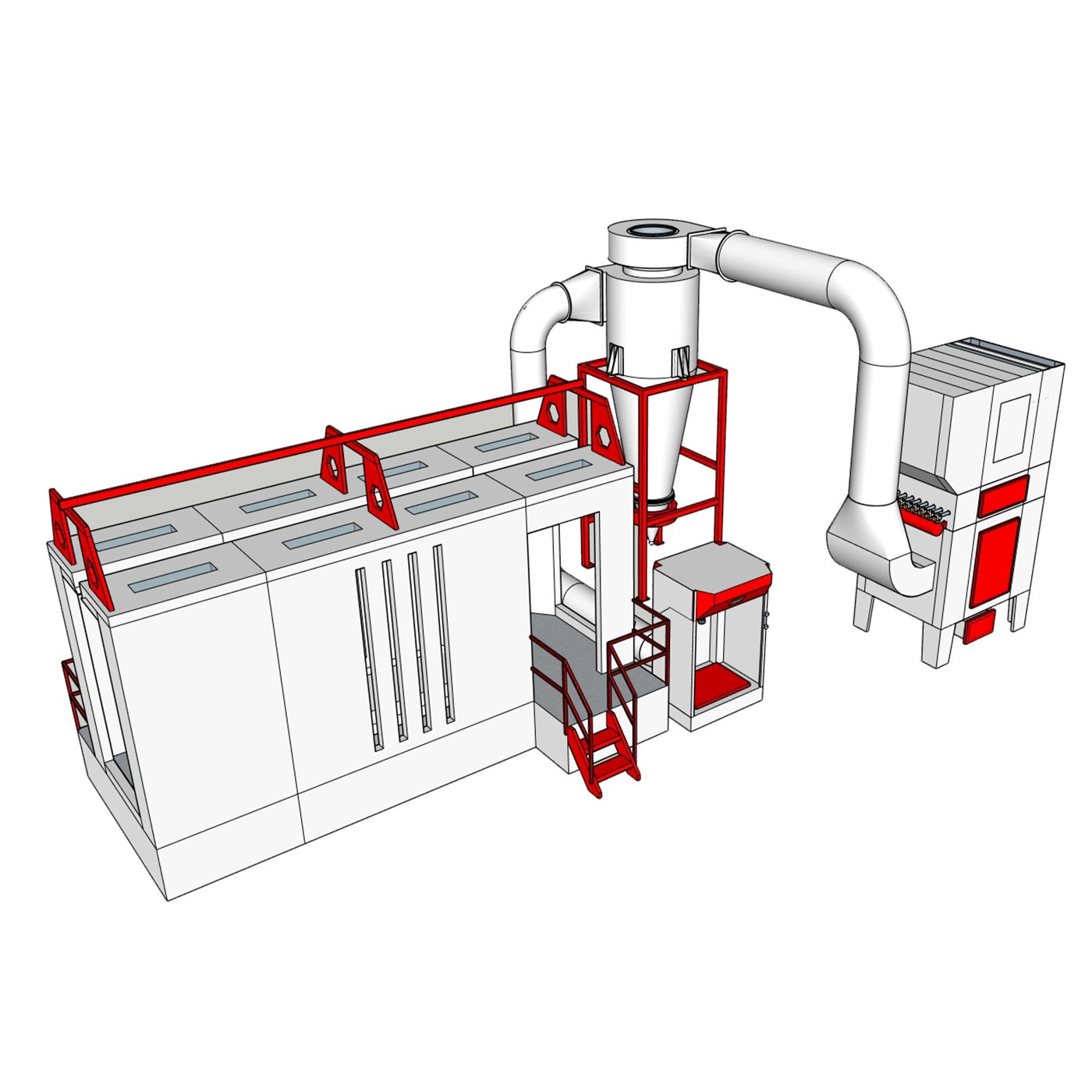
A useful proposal should explain the process flow, equipment combination, factory footprint, energy requirements and responsibilities of both parties. Ketu uses project inputs to build the configuration instead of forcing every customer into the same package.
Workpiece photos, maximum dimensions, weight, material, output target, colors, energy and factory size.
Define pretreatment, spraying method, recovery, curing, conveying and automation level.
Check equipment position, line flow, maintenance clearance, loading area and utility connections.
Produce equipment, inspect key systems, prepare packing and coordinate the delivery and support scope.
Buyers need more than a machine list. The project should connect coating requirements, engineering decisions, manufacturing evidence, technical documents and support responsibilities.
Solutions are organized around pretreatment, spraying, powder recovery, curing, conveying and control rather than isolated machines.
Manual, automatic, batch and conveyorized options can be combined according to the production scenario.
Factory boundaries, process route, loading areas, equipment access and utilities can be reviewed before manufacturing.
Workshop, assembly, equipment details and project documentation help buyers verify the proposed supplier capability.
Quotation documents should define equipment scope, utilities, civil work, installation preparation and support responsibilities.
Technical documentation, installation guidance, commissioning, training and spare-parts support can be agreed by project.
The exact process changes by product and quality requirement, but a complete line commonly connects surface preparation, drying, powder application, curing and unloading into one controlled production flow.
Project pages connect the customer requirement with the selected process, equipment, layout, manufacturing and delivery evidence. Specific project parameters remain project-specific.
Immersion pretreatment, manual spraying, cyclone recovery, secondary filtration, curing and suspended handling.
Furniture ApplicationDesigned around furniture types, hanging, production rhythm, color requirements and coating consistency.
Sheet Metal ProjectFocused on surface preparation, cabinet hanging, edge coverage, powder curing and batch consistency.
Long Workpiece ProjectLong-profile conveying, pretreatment, spraying, continuous curing and factory layout considerations.
Ketu combines coating-process planning, equipment manufacturing, assembly, electrical integration, testing and project documentation. Factory and workshop evidence gives overseas buyers a clearer view of the supplier behind the proposal.

The exact document package depends on the equipment model, destination market and contract scope. Current copies and applicable ranges should be confirmed before the final order.
Company registration and supplier qualification information for project and purchasing review.
Inspection checkpoints, equipment confirmation records and project quality documents where applicable.
Process layout, equipment descriptions, operating instructions and project configuration documents.
Available certificates or compliance records should be matched to the selected equipment and destination requirements.
The final service scope depends on project location, equipment configuration and agreed responsibilities. Each quotation should clearly define what Ketu provides and what the customer prepares on site.
Review process, layout, configuration, utilities and customer-side preparation requirements.
Coordinate production information, equipment confirmation and project documentation.
Prepare equipment for transport and coordinate shipment information according to contract scope.
Define installation guidance, commissioning, training, spare parts and technical support responsibilities.
Use buying guides to understand selection inputs, compare configurations and prepare the project information needed for a more accurate technical proposal.
Compare automation level, process flow, workpiece conditions, factory space and project inputs.
Engineering GuideUnderstand how workpiece dimensions, loading, curing time and energy source affect oven design.
Cost GuideReview the equipment, capacity, automation, recovery, heating, transport and installation cost factors.
These questions help determine the correct system direction. Detailed parameters, prices and delivery scope require project-specific review.
The more complete the project information, the more accurately the technical team can recommend the process, equipment configuration and preliminary layout.
 English
  Malay
Malay  Indonesian
  Russian
  Spanish
  Vietnamese
  Bosnian
  French
  Japanese